

Many people carefully monitor their blood sugar levels, but often overlook how diabetes affects oral health on a daily basis. It is common in Tirunelveli to meet patients who experience bleeding gums, dry mouth or delayed healing without realising that their diabetes could be the underlying cause. With our food habits, warm climate and lifestyle patterns, oral concerns can progress quietly. Seeking timely help through professional dental care treatment can prevent minor symptoms from becoming serious complications. Through personalised dental care support and preventive dental care guidance, we help patients understand this connection clearly and take early steps to protect their teeth and gums.
The Link Between Diabetes and Oral Health
Diabetes and oral health problems are closely connected because high blood sugar impacts on oral tissues weakens the body’s natural defence system. When glucose levels remain elevated, bacteria grow faster in the mouth and create inflammation in the gums. Impaired white blood cell function reduces the ability to fight infection effectively. This means even small plaque deposits or mild gum irritation can progress more quickly in diabetic individuals compared to others.
Over time, repeated inflammation affects the supporting tissues around the teeth. However, when blood sugar is well managed, the body responds better to dental treatment and healing improves significantly.
Diabetes and Gum Disease
Diabetes and gum disease frequently occur together. Periodontal disease in diabetics develops due to vascular changes affecting gum health and reduced healing response. Periodontal complications in diabetic patients may include swollen gums, bleeding while brushing and persistent tenderness. These symptoms may seem minor at first, but early attention prevents progression.
Blood glucose control and periodontal stability are strongly linked. When sugar levels are stable, gums respond better to cleaning and treatment. When levels fluctuate, inflammation tends to persist longer. This is why routine monitoring is important for diabetic patients.
Why Gum Health Needs Early Attention
Higher HbA1c levels and dental health show a clear relationship. Uncontrolled sugar levels increase inflammation and reduce the gum’s natural resistance. This does not mean serious damage is inevitable. With professional cleaning, early gum treatment and advanced dental care services, gum tissues can regain strength and stability. Timely action prevents long-term concerns such as loosening of teeth and supports overall comfort during eating and speaking.
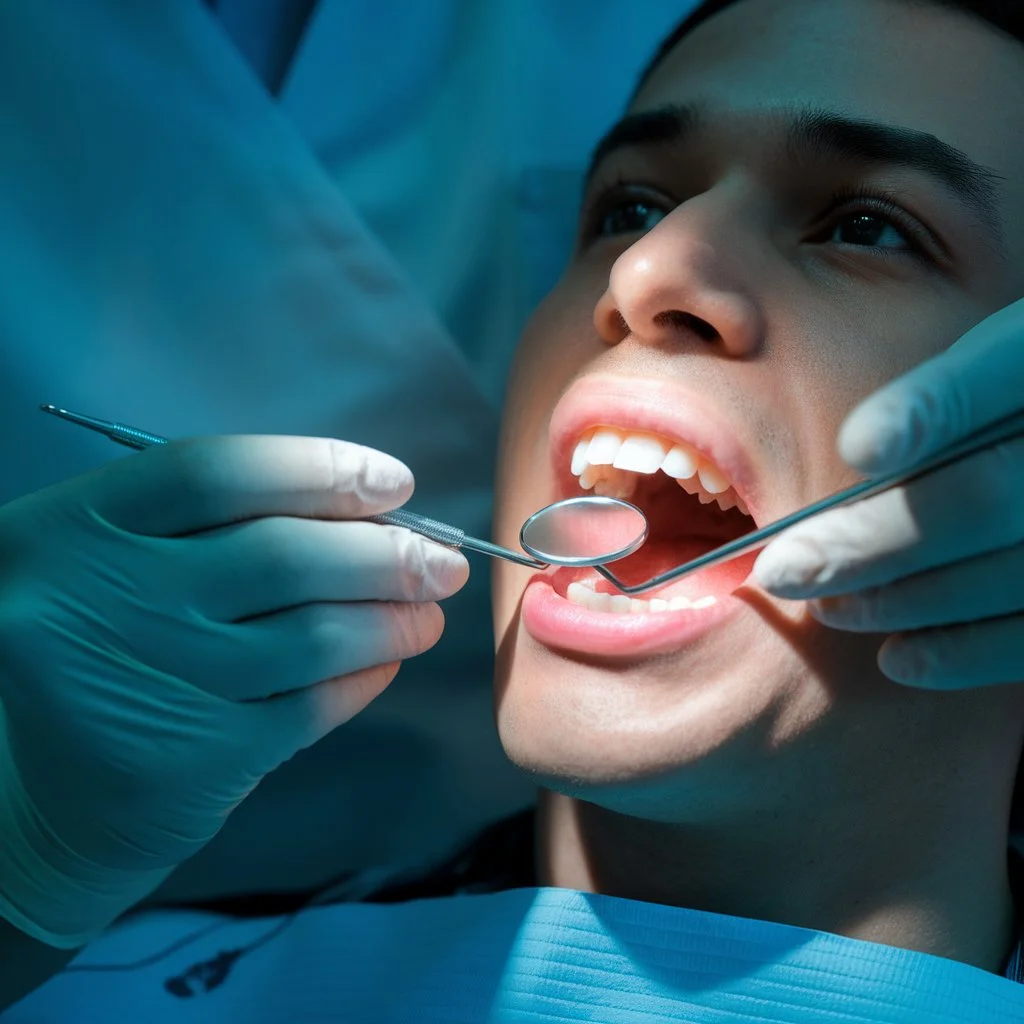
High Blood Sugar and Dental Problems
High blood sugar and dental problems also include frequent cavities and enamel weakness. Xerostomia and cavity risk increase when saliva flow reduces. Diabetes induced dry mouth causes saliva imbalance in diabetes, allowing bacteria to multiply faster. Since saliva normally protects teeth by neutralising acids, reduced flow leaves enamel more vulnerable. Many patients also ask about how to stop bad breath naturally, especially when dryness increases bacterial activity.
If cavities are not treated early, infection may spread deeper and increase the risk of diabetes and tooth loss. Regular examinations help detect decay at an early stage and allow simple procedures like tooth filling to restore strength.
Dry Mouth and Oral Discomfort
Dry mouth in diabetes is particularly common in warmer climates, where dehydration adds to the challenge. Reduced saliva production and hydration create a sticky feeling in the mouth and increase sensitivity. Some patients report burning mouth syndrome in diabetics, which causes mild discomfort in the tongue or inner cheeks.
These symptoms can be managed effectively through hydration, stable sugar levels and timely dental consultation. Addressing dryness early also prevents secondary infections and improves overall comfort.
Oral Infections and Healing Response
Oral infections in diabetic patients may appear as gum swelling, redness or oral fungal infections in diabetes such as candidiasis. Increased infection risk in diabetics means infections may take slightly longer to settle. Delayed wound healing after dental treatment can occur when blood sugar is poorly controlled.
For this reason, insulin management before dental procedures and careful treatment planning are considered. By coordinating sugar control and dental care together, healing becomes smoother and more predictable.
Dental Implants and Advanced Procedures
Diabetic patients and implant healing require proper evaluation and monitoring. With stable sugar levels and thorough planning, implant success remains high. Delayed healing after dental treatment with diabetes can be minimised when procedures are performed under controlled conditions.
At Vetri Dental Care Clinic, comprehensive dental care for diabetics includes detailed assessment, hygienic treatment protocols and close follow-up. Some diabetic patients may also experience stress-related jaw tension, and appropriate guidance for treatment for bruxism can be discussed when needed. This ensures that even advanced procedures are carried out safely and comfortably.

Quick Overview: Diabetes and Oral Impact
| Diabetes Effect | Oral Impact | Practical Step |
| High blood sugar | Gum inflammation and infection | Maintain sugar stability |
| Reduced saliva | Dry mouth and cavities | Stay hydrated |
| Slower healing | Longer recovery time | Follow dental advice consistently |
| Higher HbA1c | Gum instability | Regular monitoring and cleaning |
This simple overview shows how closely diabetes and oral health problems are linked and why routine care matters.
Simple Dental Care Tips for Diabetics
Dental care tips for diabetics focus on consistency rather than complexity. Small daily habits create long term stability.
• Brush twice daily using fluoride toothpaste
• Floss gently to remove food particles
• Monitor HbA1c levels regularly
• Maintain balanced hydration
• Visit for routine checkups every six months
When preventive care is followed regularly, the risk of serious periodontal complications in diabetic patients reduces significantly.
Make Oral Health a Part of Your Diabetes Care Plan
Understanding how diabetes affects oral health allows you to act early with confidence. Most concerns can be managed effectively when sugar levels are stable and dental care is timely. At Vetri Dental Care Clinic in Tirunelveli, we provide safe, hygienic and patient centred treatment tailored for diabetic individuals. With proper guidance and regular monitoring, you can maintain strong gums, healthy teeth and long term oral comfort alongside diabetes management.