

Tooth alignment problems are often ignored until they start interfering with daily life. Many people in Tirunelveli assume slightly crooked or uneven teeth are normal, especially if there is no immediate pain. However, with our food habits, frequent tea and coffee consumption, and irregular dental visits, minor healthy tooth alignment issues can slowly turn into bigger oral health concerns. Patients often realise something is wrong only when chewing becomes uncomfortable or cleaning certain areas feels difficult. Knowing how to know if teeth are misaligned helps prevent long term complications like jaw discomfort or uneven tooth wear. At Vetri Dental Care Clinic, we regularly help patients identify early signs of teeth misalignment and guide them towards comfortable and effective solutions that support long lasting oral health and confidence.
Early Changes in Tooth Position That Often Go Unnoticed
The early signs of teeth misalignment usually appear very gradually, which is why many people overlook them. A tooth that looks slightly out of place or a small gap forming between teeth may not seem serious at first. Patients often notice these changes while brushing, flossing, or seeing recent photos of their smile. In many cases, food begins to get stuck more frequently, or flossing becomes uncomfortable in certain areas. With delayed dental checkups being common, these subtle changes continue unnoticed. Identifying tooth alignment issues early makes correction simpler and helps avoid discomfort, complex procedures, or long recovery periods later.
Crooked, Crowded, or Overlapping Teeth
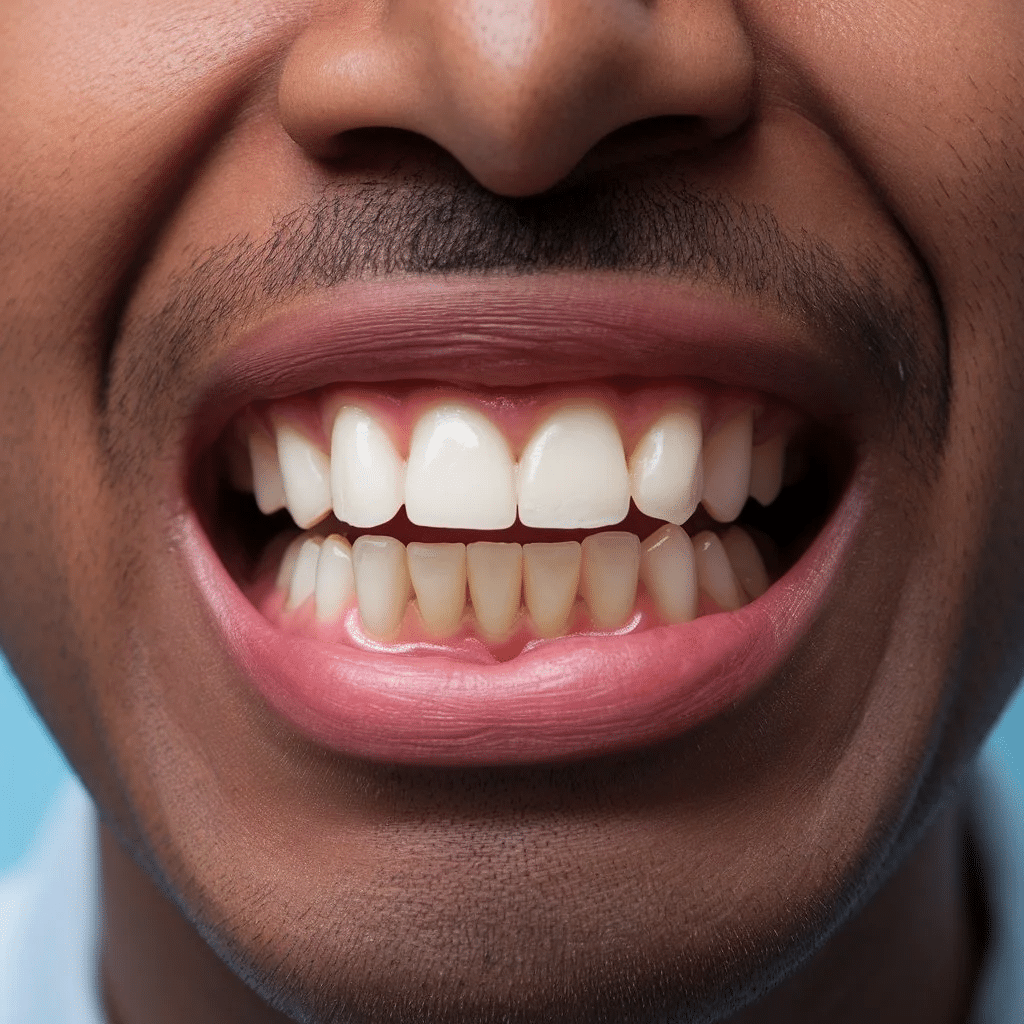
Crooked or crowded teeth are one of the most visible signs of misaligned teeth. Overlapping teeth, twisted or rotated teeth, and uneven tooth positioning are common concerns seen across all age groups. These issues often worsen due to lack of space in the jaw or untreated childhood alignment problems. Crowded teeth trap food easily and make cleaning difficult, increasing the risk of cavities and gum disease. Many patients struggle to maintain proper oral hygiene even with regular brushing. A professional evaluation helps assess how teeth are positioned and whether braces, Invisalign, or other correction options are needed to restore proper alignment and comfort.

Uneven Tooth Wear and Changes in Bite
Teeth wearing unevenly is a strong indicator of tooth alignment problems. When teeth are not aligned properly, certain areas experience more pressure while chewing, often leading to difficulty chewing due to misaligned teeth. Over time, this results in flattened or chipped tooth edges, sensitivity, and visible bite imbalance. Many patients notice discomfort while eating harder foods or feel that their teeth do not meet evenly. With Indian diets that involve regular chewing of solid foods, uneven bite pressure can strain the teeth further. Correcting alignment early protects enamel, improves chewing efficiency, and prevents long term tooth damage that may otherwise require restorative treatments.
Jaw Discomfort, Clicking Sounds, and Facial Strain
Jaw misalignment signs often accompany teeth misalignment symptoms. Patients may hear clicking or popping jaw sounds while opening their mouth or experience discomfort during chewing. Some report stiffness or pain near the ears or jawline, especially after waking up. Teeth grinding signs are also common, often linked to stress or improper bite alignment. Over time, constant jaw strain can lead to headaches or facial muscle fatigue. Dental assessment helps identify whether alignment issues are contributing to jaw discomfort and allows timely intervention to restore balance and relieve daily discomfort.
Frequent Cheek or Tongue Biting and Speech Difficulty
Frequent cheek or tongue biting is another sign that teeth are not aligned properly. Protruding or unevenly positioned teeth often rub against soft tissues, causing irritation, ulcers, or soreness. Some patients also experience mild speech difficulty or changes in pronunciation due to gaps between teeth or improper alignment of front teeth. These concerns may feel embarrassing but are common and manageable with professional care. Correcting tooth alignment helps improve comfort while speaking, eating, and smiling, making daily interactions easier and more confident.
Increased Sensitivity and Difficulty Maintaining Oral Hygiene
Recurring tooth sensitivity is often linked to uneven tooth wear caused by alignment problems. When enamel wears down unevenly, sensitive areas become exposed, especially to hot or cold foods. Misaligned teeth also create hard to clean areas where plaque accumulates easily, leading to bleeding gums and bad breath. Many patients brush regularly but still struggle with oral hygiene due to overlapping teeth. Professional alignment correction not only improves appearance but also makes daily cleaning easier, reducing the risk of cavities and gum problems in the long run.
Why Ignoring Tooth Alignment Issues Can Create Bigger Problems
Ignoring early tooth alignment issues allows small problems to grow into more serious dental concerns. Over time, misaligned teeth increase the risk of gum disease, tooth decay, jaw discomfort, and excessive enamel wear. Delayed treatment often means longer treatment time and more complex procedures. Many patients wish they had addressed alignment earlier when correction was easier and more comfortable. Regular dental evaluations help detect changes early and guide patients towards preventive or corrective care that protects their oral health and overall wellbeing.
Take the First Step Towards a Healthier Smile
Tooth alignment problems affect much more than just appearance. They influence chewing comfort, oral hygiene, jaw health, and self confidence. The good news is that modern dental treatments make alignment correction safe, comfortable, and effective for both adults and children. At Vetri Dental Care Clinic, every patient receives personalised, dentist supervised care using modern equipment and strict hygiene standards. Book your appointment at Vetri Dental Care Clinic and take the first step towards a healthier smile and better oral confidence.