

In today’s fast-moving lifestyle, stress has become a part of daily living for many families in Tirunelveli. However, very few people realise that stress can affect your teeth and gums is not just a casual question but a genuine health concern. Recently, a young professional visited our clinic with recurring gum tenderness and jaw stiffness. She assumed it was due to irregular brushing, but further discussion revealed prolonged emotional pressure at work and disturbed sleep. Through personalised dental care guidance, we help patients understand how emotional strain directly influences oral tissues and long-term dental stability.
The Biological Link Between Stress and Oral Health
Stress triggers complex changes inside the body. When emotional strain continues for weeks or months, the body releases higher levels of cortisol. Cortisol related gum inflammation increases tissue sensitivity and weakens protective response. Stress weakened immune defence in the mouth reduces the ability of white blood cells to fight harmful bacteria effectively.
At the same time, high stress alters blood circulation. This affects oxygen supply to gum tissues, making them more prone to irritation. Chronic stress and periodontal vulnerability gradually develop when inflammation remains uncontrolled. Understanding this biological pathway helps answer clearly how stress affects oral health beyond surface symptoms.
Psychological Behaviour and Oral Hygiene Changes
Stress not only affects hormones. It changes behaviour patterns. Emotional burnout and oral hygiene decline often happen together. When someone feels mentally exhausted, brushing may become rushed or skipped. Flossing is often neglected. Diet may also change, with increased snacking or sugary beverages.
Plaque buildup due to stress neglect allows bacteria to multiply faster. Psychological stress and tooth decay risk increase when protective habits weaken. Over time, these behavioural shifts become as significant as biological effects in causing stress and oral health problems.
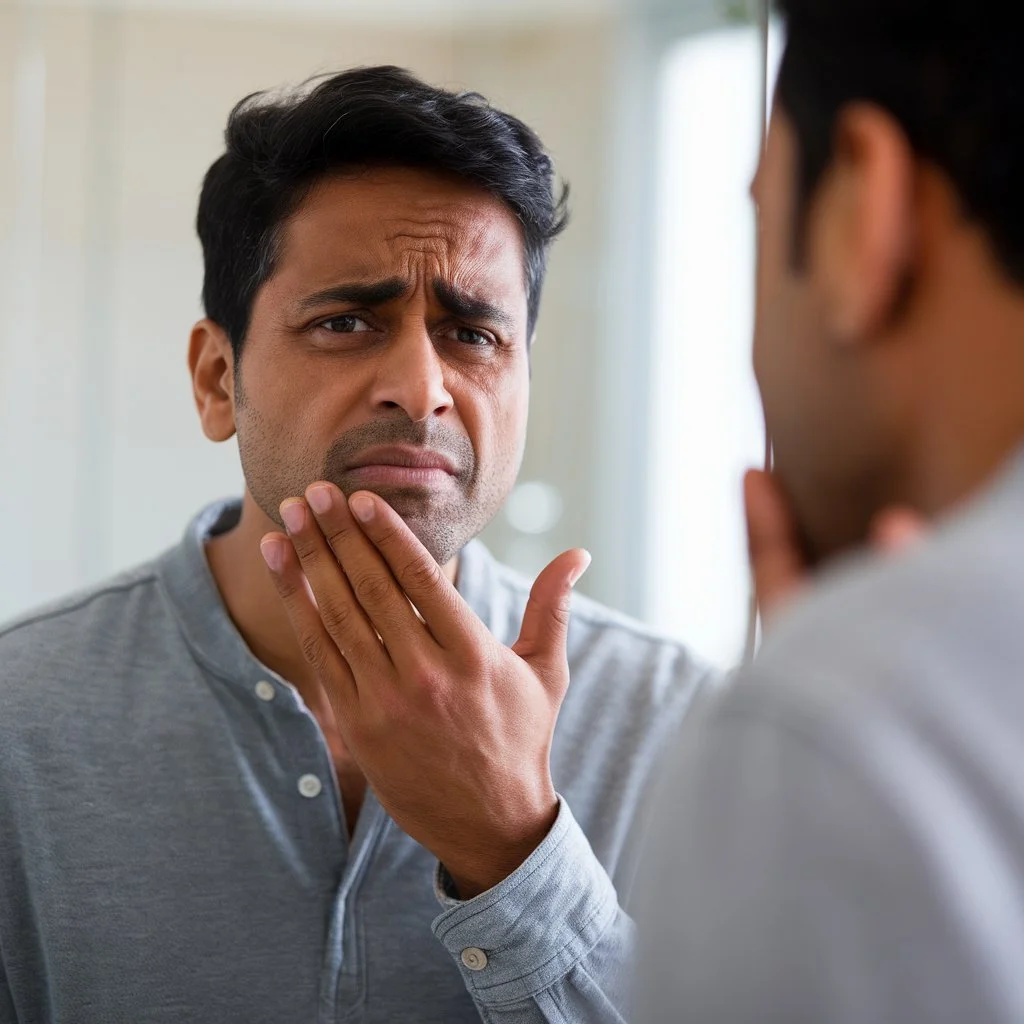
Stress and Gum Disease
Stress and gum disease share a two way relationship. Cortisol related gum inflammation increases tissue swelling, while inflammatory response in gum tissues becomes exaggerated. Bleeding gums during emotional strain may appear even if brushing pressure is normal.
Chronic stress and periodontal vulnerability make gum tissues slower to recover from irritation. However, this does not mean permanent damage is unavoidable. With early professional cleaning, guided oral hygiene and emotional management support, gum health can be stabilised effectively.
Jaw Clenching and Muscle Tension
Anxiety driven jaw clenching often occurs unconsciously during stressful moments. Many individuals clench their teeth while concentrating, driving or worrying. Jaw muscle tension from chronic anxiety creates constant pressure on teeth. Stress linked bruxism (teeth grinding) effects develop gradually, sometimes without obvious awareness. In such cases, using a mouth guard for teeth grinding may help reduce pressure on enamel and protect the bite during sleep.
Instead of repeating detailed grinding signs covered in other discussions, it is important to understand that muscle strain leads to bite imbalance and enamel stress over time. Early evaluation prevents further discomfort.
Dry Mouth and Saliva Imbalance
Stress and dry mouth are frequently connected. Stress induced xerostomia symptoms occur because reduced saliva flow from anxiety affects gland activity. Saliva protects enamel, balances bacteria and supports natural cleansing. When saliva decreases, minor irritation may become persistent.
This dryness increases susceptibility to plaque accumulation and sensitivity. Maintaining hydration and recognising stress related dryness early reduces complications and supports comfortable oral function.
Mouth Ulcers and Emotional Impact
Stress causing mouth ulcers is commonly reported during emotionally demanding periods. Stress triggered oral ulcer formation appears as small painful sores that may interfere with eating or speaking. These ulcers often heal within days, but repeated episodes suggest prolonged emotional strain.
Mental health influence on dental health becomes evident when emotional stress repeatedly impacts oral tissues. Balanced lifestyle habits and timely guidance support better recovery.

Overview of Stress and Oral Impact
| Stress Factor | Biological or Behavioural Effect | Oral Impact | Supportive Action |
| Elevated cortisol levels | Increased inflammation | Gum tenderness and bleeding | Regular monitoring and cleaning |
| Emotional exhaustion | Reduced oral hygiene focus | Plaque buildup and irritation | Reinforce daily brushing routine |
| Anxiety and tension | Jaw clenching | Tooth pressure and muscle discomfort | Bite evaluation when needed |
| Reduced saliva production | Dryness and bacterial imbalance | Sensitivity and discomfort | Adequate hydration |
| Sleep disturbance | Unconscious clenching episodes | Gradual enamel stress | Early dental assessment |
This structured view shows that stress and oral health problems develop gradually but are manageable with timely action.
Practical Protection During Stressful Periods
While stress cannot always be eliminated, its dental effects can be reduced. Awareness and small consistent habits create long term stability.
• Maintain regular brushing and flossing
• Monitor gum sensitivity
• Stay hydrated throughout the day
• Avoid excessive caffeine intake
• Seek evaluation if jaw or gum discomfort continues
These steps support prevention and reduce the effects of stress on teeth.
Balanced Care for Long Term Stability
Whether stress can affect your teeth and gums is a real clinical observation, not merely a theoretical concept. Emotional strain influences both immune defence and daily habits. If prolonged clenching is ignored, it may eventually lead to cracked tooth symptoms or increased sensitivity. When managed early, stress related oral concerns remain completely controllable. At Vetri Dental Care Clinic in Tirunelveli, we provide hygienic, patient centred and scientifically guided dental care tailored to individual needs. By addressing emotional wellbeing alongside oral health, you can maintain comfort, confidence and lasting stability.