

Introduction
Few dental questions cause as much worry as this one: Is root canal treatment painful? For many patients in Tirunelveli, the fear takes hold long before they reach the clinic, usually shaped by stories heard from relatives and neighbours over the years.
The honest answer is reassuring. Most of the discomfort people link to the procedure actually comes from the infected tooth itself, not from the treatment that fixes it. Patients considering root canal treatment in Tirunelveli are often surprised to learn that modern techniques focus on relieving pain rather than causing it. At Vetri Dental Clinic, we meet this concern almost every day, and we understand why it feels frightening. This article explains what really happens, what you are likely to feel, and how modern dental care keeps the experience comfortable.
Why Root Canals Sound So Frightening
Root canal treatment carries a heavy reputation, and most of it is built on outdated experiences. Decades ago, dental tools and numbing methods were far less refined, so the memory of root canal pain passed down through families still lingers in conversations today.
Stories repeated through word of mouth tend to grow more dramatic with each retelling. What many people picture has little to do with the treatment of today. Dentistry has changed considerably, and so has patient comfort. Separating these old impressions from current reality is the first step towards understanding why the worry around does root canal hurt is often far larger than the experience itself.
Why Tooth Pain Feels Worse Than the Treatment
Many patients assume a root canal will be uncomfortable, yet the pain they are experiencing usually stems from the infected or damaged tooth rather than the treatment designed to correct it. By the time treatment is needed, patients often experience ongoing pain, sensitivity, or discomfort when chewing.
Some patients hope that antibiotics alone will solve the problem, but medication cannot always eliminate the source of infection once the pulp inside the tooth has been affected.
Modern local anaesthesia keeps the tooth comfortably numb throughout the procedure, so most patients feel only mild pressure rather than pain. In fact, many people find that the treatment is far more comfortable than the toothache that led them to seek help in the first place.
What You Can Expect During Every Stage
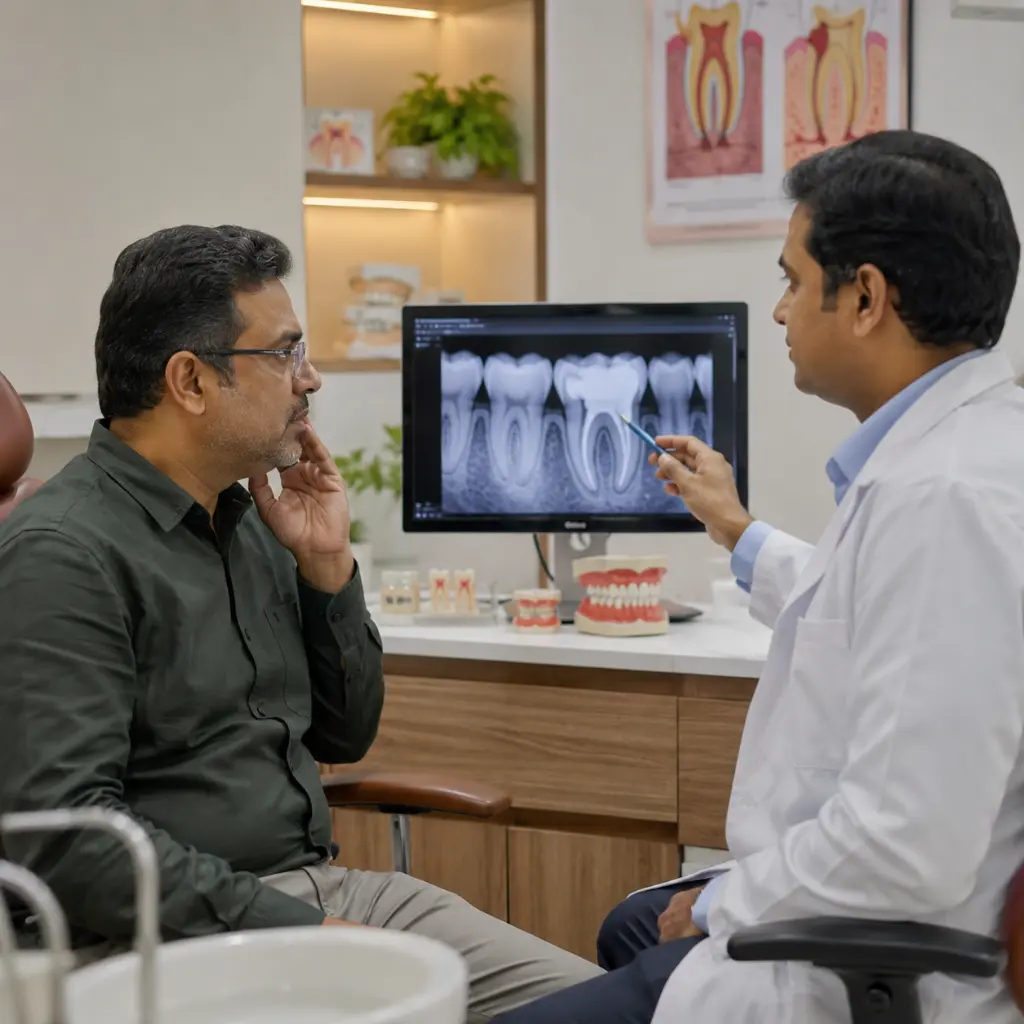
Knowing the steps in advance removes much of the uncertainty. Here is what the experience actually feels like from the chair.
Before treatment begins
The dentist first numbs the area using local anaesthesia. A small pinch may be felt as the gum settles, and after that, the tooth and surrounding tissue turn comfortably numb. From this point, sensation in the area fades away, which is why patients rarely report painful root canal treatment once the numbing has fully taken effect.
During cleaning and sealing
With the area numb, the infected pulp is gently removed, and the canal is cleaned and shaped. Most patients notice only mild pressure or a faint vibration, much like having a routine filling. There is no sharp sensation at this stage. The canal is then sealed to protect it, and the root canal procedure pain people dread simply does not match what they feel.
Depending on the condition of the tooth and the extent of the infection, some root canals can be completed in a single visit, while others may be carried out over multiple appointments to achieve the best outcome.
How Modern Care Keeps You Comfortable
Comfort during treatment is not left to chance. Reliable local anaesthesia keeps the tooth numb throughout, while a gentle and unhurried technique helps nervous patients settle. Modern instruments allow the canal to be cleaned smoothly, which often shortens the time spent in the chair.
Digital imaging also helps the dentist view the tooth clearly and plan each step with accuracy, reducing guesswork along the way. These methods work together to make the procedure feel steady and predictable rather than stressful. If you are unsure what comfort measures are available, the team at Vetri Dental Clinic is always happy to explain your options before any treatment begins.
Recovery and Aftercare

Most patients find that healing after root canal treatment is relatively uncomplicated. It is normal to feel mild soreness or tenderness around the treated tooth for a day or two, especially while chewing on that side. This settles on its own and can be eased with simple care advised by your dentist.
Eating softer foods for a short while and keeping the area clean both support smooth healing. Following treatment, a crown is often recommended to reinforce the tooth and help protect it during everyday use. Once this restoration is complete, normal chewing returns and the tooth can serve you well for many years with regular care.
Help for Nervous Patients
Feeling anxious before dental treatment is completely understandable, and it is something we take seriously. Dental anxiety often grows from not knowing what to expect, so talking through each step in advance can ease much of that worry.
Taking the time to discuss any worries or questions with your dentist can help you feel more informed and comfortable throughout the process. Many first-time patients find the procedure far gentler than they had imagined. If fear has been stopping you from seeking care, a calm conversation with the team at Vetri Dental Clinic can make the path forward feel much easier.
When Should You Have a Tooth Checked?
Certain symptoms may suggest that the inner part of a tooth has become irritated or infected. Consider arranging a dental assessment if you experience:
- Persistent tooth pain
- Ongoing discomfort after consuming hot or cold foods and beverages
- Pain when chewing or biting
- Tenderness around a particular tooth or gum area
These signs do not always mean a root canal is needed, but they do indicate that the tooth should be examined to identify the cause and prevent further discomfort.
Conclusion
So, is root canal treatment painful? For the vast majority of patients, the honest answer is no. The real discomfort comes from the infected tooth, and the procedure is what brings relief. With dependable numbing and modern techniques, the experience is far more comfortable than its reputation suggests. The most important step is not to delay care. If you are living with tooth pain in Tirunelveli, reaching out to Vetri Dental Clinic early can protect both your comfort and your natural tooth.