

Teeth grinding is more common than most people realise. Many adults in Tirunelveli wake up with jaw stiffness or dull headaches without understanding the reason. Some patients even assume it is due to poor sleep or long working hours, without realising that the jaw muscles are under constant strain at night. Teeth grinding signs causes and treatment becomes an important discussion because bruxism often develops quietly and continues for months before being noticed. Through advanced dental care solutions, we help patients identify early warning signs and understand the root cause clearly. Timely diagnosis not only protects enamel but also prevents discomfort in the jaw and surrounding muscles.
What is Bruxism
Bruxism is the medical term used to describe the involuntary grinding or clenching of teeth. It can occur during sleep or while awake. Sleep bruxism symptoms often include grinding sounds at night, while awake jaw clenching habit may happen unconsciously during work, stress or intense focus. Many patients only become aware of jaw pain from grinding teeth when soreness becomes frequent. Without proper care, repeated pressure affects both teeth and jaw alignment gradually.
Common Causes of Teeth Grinding
The causes of teeth grinding at night are usually multifactorial. Night teeth grinding in adults is commonly linked to emotional stress, anxiety and fatigue. Teeth grinding and stress share a strong connection, especially in individuals dealing with work pressure or irregular sleep schedules. Systemic conditions such as diabetes and gum disease may also indirectly influence oral discomfort and muscle tension when inflammation persists. Caffeine and alcohol triggers for bruxism are also observed in some patients. Medication-induced teeth clenching can occur due to certain prescribed drugs. In a few cases, sleep apnea association with bruxism may increase jaw activity during disturbed sleep cycles.
Signs You Should Not Ignore
Early recognition helps prevent long term effects of teeth grinding. Some of the most common signs include
• Morning jaw muscle fatigue
• Temple headaches from teeth grinding
• Cracked or flattened teeth signs
• Tooth sensitivity due to grinding pressure
• Clicking sensation in the jaw joint
Chronic enamel erosion from grinding gradually reduces tooth strength and increases the risk of fracture. Abnormal bite and clenching link can also create uneven wear patterns that affect chewing comfort over time.

Long Term Effects of Untreated Bruxism
Long-term complications of untreated bruxism go beyond simple tooth wear. Continuous grinding can damage dental fillings, weaken crowns and create microcracks in enamel. Some patients eventually require dental restoration after grinding damage to rebuild lost tooth structure. Persistent jaw strain may affect the temporomandibular joint, causing difficulty in opening or closing the mouth smoothly. Early intervention significantly reduces the risk of complex restorative procedures later.
Teeth Grinding Treatment Options
Teeth grinding treatment depends on severity, frequency and underlying causes. Treatment for bruxism focuses on protecting enamel and relaxing jaw muscles. At Vetri Dental Care Clinic, we carefully assess bite alignment and enamel wear before recommending solutions. Bruxism treatment and causes are explained clearly so patients understand why the habit is occurring and how it can be controlled safely.
Protective Therapy with Mouth Guard
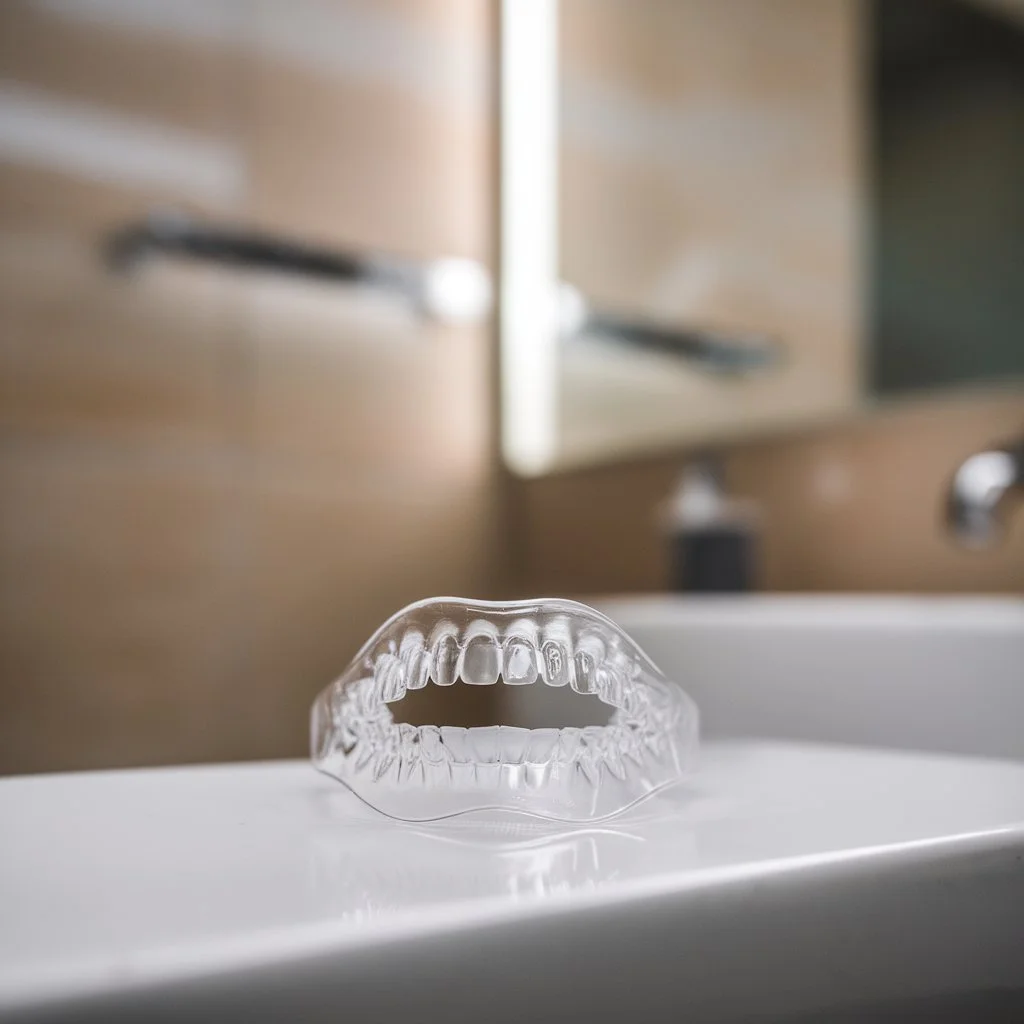
A mouth guard for teeth grinding remains one of the most effective preventive measures. A custom night guard for protection is designed according to the patient’s bite pattern, ensuring comfort and stability. Occlusal splint therapy helps distribute pressure evenly across teeth and reduces muscle strain. This approach protects against further enamel erosion and significantly reduces morning discomfort.
Managing Contributing Factors
Alongside mechanical protection, lifestyle adjustments improve outcomes. Reducing stress through relaxation techniques, limiting caffeine intake and improving sleep quality can reduce grinding intensity. Chronic tension not only affects jaw muscles but may also contribute to stress and bleeding gums, especially when oral hygiene becomes irregular during demanding periods. When sleep apnea association with bruxism is suspected, further evaluation may be advised. With proper monitoring and periodic review, grinding episodes can be brought under control gradually and safely.
How to Prevent Teeth Grinding
Preventing teeth grinding begins with reducing triggers and protecting your jaw from excessive strain. Managing daily stress through relaxation techniques, maintaining a consistent sleep schedule, and avoiding caffeine or alcohol before bedtime can help minimise nighttime clenching. Jaw stretching exercises and conscious awareness of daytime clenching habits also reduce pressure on teeth. Regular dental check-ups allow early detection of enamel wear and bite issues, helping prevent long-term damage before it becomes severe.
Quick Overview of Bruxism Impact
Below is a simplified understanding of common triggers, effects and practical responses.
| Trigger or Cause | Oral Impact | Recommended Approach |
| Emotional stress or anxiety | Jaw clenching and muscle fatigue | Stress management and monitoring |
| Irregular sleep patterns | Night grinding episodes | Improve sleep routine |
| Bite misalignment | Uneven tooth wear | Bite evaluation and correction |
| Excess caffeine or alcohol intake | Increased clenching intensity | Moderate consumption |
| Prolonged untreated grinding | Enamel erosion and sensitivity | Custom protective therapy |
This structured view helps patients recognise patterns and take timely action.
When Should You Seek Professional Help
If you wake up regularly with jaw tightness, experience repeated headaches or notice changes in tooth shape, it is advisable to seek evaluation. Many patients assume grinding is harmless until visible damage appears. Early assessment allows minor corrective measures instead of complex procedures. Preventive evaluation ensures teeth remain strong and jaw joints function smoothly.
Supporting Your Smile with the Right Care
Understanding teeth grinding signs, causes, and treatment empowers you to protect your smile early. Bruxism is manageable when detected in time and treated appropriately. At Vetri Dental Care Clinic in Tirunelveli, we combine modern diagnostic tools, hygienic protocols, and patient-focused dental care to provide safe and effective solutions. With personalised guidance and regular follow-up, you can maintain healthy teeth, relaxed jaw muscles and long-term oral comfort.