

Introduction
A bitter taste in the mouth is a common problem that may occur due to poor oral hygiene, acid reflux, dry mouth, medications, gum disease, sinus infections, or hormonal changes. Some people may notice a constant bitter taste in the mouth after brushing teeth, eating certain foods, or waking up in the morning. While occasional bitterness is usually harmless, prolonged bitter taste in the mouth may indicate an underlying dental or medical condition. Maintaining good oral health care in Tirunelveli can help address dental problems that may contribute to persistent taste changes.
What Is a Bitter Taste in the Mouth?
A bitter taste in the mouth is an unpleasant sharp, metallic, or sour taste that lingers even when you are not eating anything. Some individuals experience a constant bitter taste in the mouth throughout the day, while others may notice it only after meals or brushing their teeth.
In many cases, the condition is temporary. However, persistent bad taste in the mouth may be linked to oral health issues, digestive problems, infections, or medication side effects.
Common Causes of a Bitter Taste
A bitter taste in the mouth can happen for several reasons. One common cause is poor oral hygiene. When bacteria build up in the mouth, they may contribute to gum disease, tooth decay and oral infections, which can result in an unpleasant taste.
Dry mouth is another possible cause. Saliva helps wash away food particles and neutralise acids in the mouth. When saliva production decreases, bacteria can build up more easily and may affect your sense of taste. Sleeping with the mouth open dries it out overnight, which is one reason the taste can feel worse on waking, and the habit often begins early, as many parents notice in babies who regularly sleep with their mouths open .
Certain medications may also cause a bitter or metallic taste. Antibiotics, antihistamines and some medicines used for high blood pressure or depression can sometimes affect taste.
Digestive problems such as acid reflux can also contribute to a bitter taste. When stomach acid flows back towards the food pipe and throat, it may cause a sour or bitter sensation in the mouth.

Oral Health Issues That May Be Responsible
Dental problems can also contribute to a persistent bitter taste in the mouth. Gum disease can develop when plaque and bacteria build up around the gums, causing irritation and inflammation. As the condition progresses, bacteria may contribute to bad breath and an unpleasant taste.
A tooth infection or dental abscess can also cause a foul taste in the mouth. These infections may occur when bacteria reach the inner part of a tooth through tooth decay or a crack.
Food particles trapped between the teeth or along the gum line can also encourage bacterial growth and affect the taste in your mouth. At the very back of the mouth, trapped food is also one of the common causes of last teeth pain , especially around a wisdom tooth. Regular brushing, flossing and professional dental cleaning can help remove these sources.
Some dental problems may not cause pain in the early stages. Therefore, an unexplained change in taste can sometimes be a sign that a dental check-up is needed.
Treatment and Home Remedies for Bitter Taste in Mouth
Treating a bitter taste usually involves identifying and addressing the underlying cause. A healthcare professional may ask about your symptoms and medications and recommend further tests if needed. Treatment can then be based on the cause of the taste change.
Some simple home measures may provide temporary relief, although they may not work for everyone. These include:
Maintain good oral hygiene: Brush your teeth twice a day, floss daily and consider using an antibacterial mouthwash.
Chew sugar-free gum: This can help increase saliva flow and reduce dryness in the mouth.
Drink enough water: Staying hydrated may help maintain normal saliva production.
Avoid acid reflux triggers: Limit greasy or spicy foods if they worsen your symptoms. Reducing or avoiding tobacco products and alcohol may also help.
Try a baking soda rinse: Rinsing the mouth with a mixture of a small amount of baking soda and water may provide temporary relief.
If the bitter taste continues despite these measures, consult a dentist to help identify the underlying cause.
When to See a Dentist
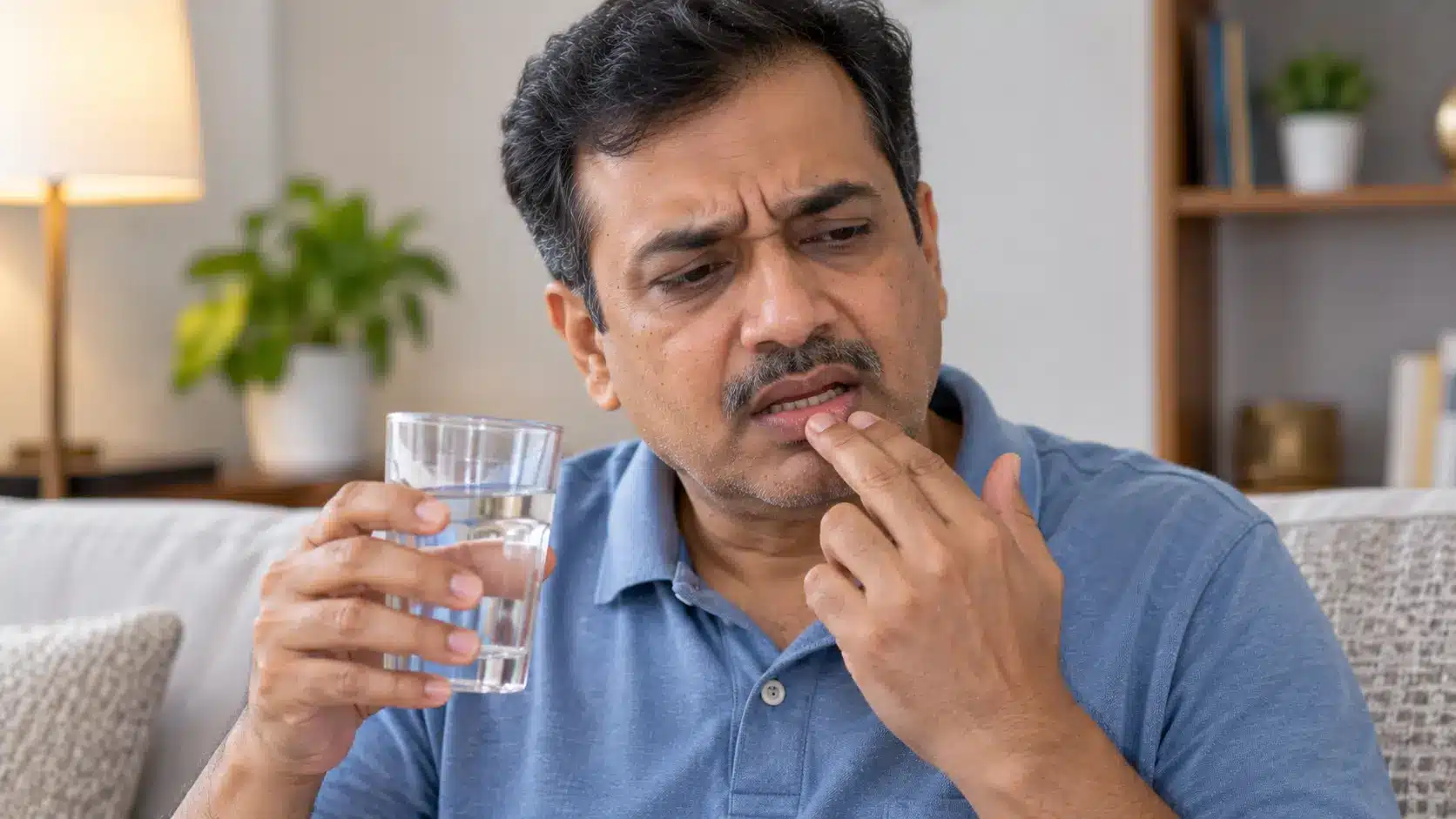
An occasional change in taste may not be a cause for concern. However, if a bitter taste continues for more than a few days or keeps coming back, it is advisable to consult a dentist.
A dentist can examine your teeth and gums to check whether an oral health problem may be causing the bitter taste. Identifying the cause early can help prevent the problem from becoming more serious, particularly when gum disease or an infection is involved.
If the bitter taste appears to be related to a medication or another medical condition, your dentist may suggest further evaluation by a physician.
Get Help for Persistent Bitter Taste
At Vetri Dental Care Centre in Tirunelveli, our dental team can assess persistent bitter taste and check for possible issues affecting your teeth, gums or overall oral health. If you are experiencing a recurring unpleasant taste, contact Vetri Dental Care Centre in Tirunelveli to schedule a dental consultation and find the possible cause.