

Introduction
A dental abscess is a painful infection that develops when bacteria collect inside a tooth or surrounding gum tissue. Many patients in Tirunelveli first notice discomfort as persistent pain or swelling that does not subside. If ignored, the condition can worsen and affect nearby areas. Understanding what is a dental abscess and recognising early warning signs helps in seeking timely care. At expert dental care at Vetri Dental Clinic, each case is assessed carefully to control infection and protect long term oral health.
What Is a Dental Abscess?
A dental abscess is a localised infection that leads to pus formation due to bacterial entry into the inner structures of a tooth or gum. It creates pressure within the tissues and causes noticeable discomfort.
It is generally classified into:
- Periapical abscess, which develops at the root tip due to infection within the tooth
- Periodontal abscess, which forms in the gum tissue, is often linked to gum disease
Both conditions require prompt treatment to prevent further spread.
Dental Abscess Symptoms
Symptoms may vary depending on the stage of infection, but usually become more intense over time. Early identification helps prevent complications.
Common signs include:
- Persistent or severe tooth pain
- Pain spreading towards the jaw or ear
- Sensitivity to temperature changes
- Discomfort while chewing
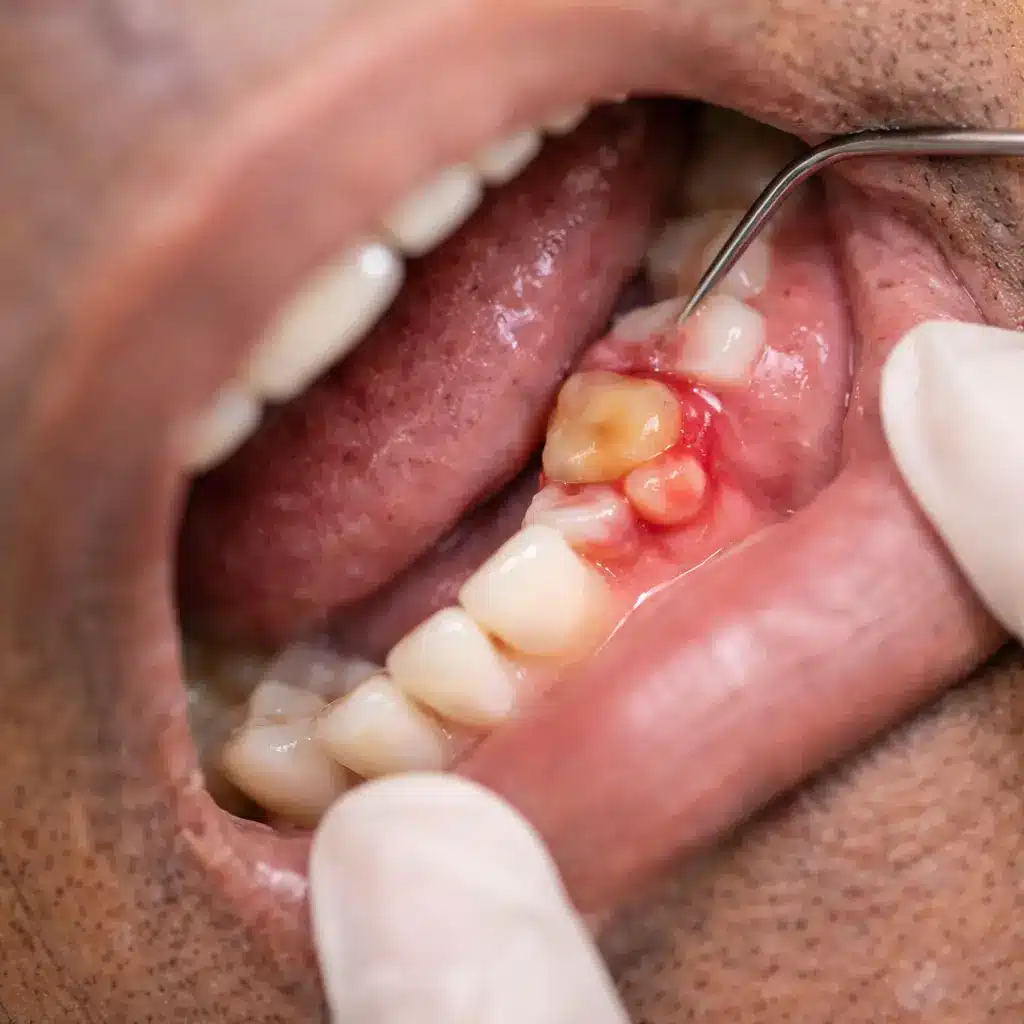
- Swelling in the gums or face
- Unpleasant taste due to discharge
- Bad breath due to infection
- Fever in advanced cases
A small swelling on the gum may also be present, indicating localised infection.
What Causes a Dental Abscess?
The condition develops when bacteria enter the tooth or gum through damaged areas or untreated issues.
Frequent causes include:
- Untreated cavities can allow infection to reach deeper layers
- Cracks or chips in the tooth structure
- Advanced gum disease affecting the supporting tissues
- Poor oral hygiene leads to plaque accumulation
When infection reaches the inner pulp, it can spread towards the root and surrounding areas.
Risk Factors That Increase Infection
Certain factors make individuals more prone to developing such infections.
These include:
- Inadequate brushing and flossing habits
- Frequent consumption of sugary foods
- Reduced saliva flow leading to dryness
- Smoking that affects gum health
- Lower immunity levels
Maintaining consistent dental care reduces the chances of infection.
When to See a Dentist for an Abscess
Seeking timely care is essential to prevent complications.
You should consult a dentist if you notice:
- Continuous tooth pain that does not improve
- Visible swelling in the face or gums
- Difficulty in biting or chewing
- Fever along with oral discomfort
- Signs suggesting the infection is spreading
At Vetri Dental Clinic, early diagnosis helps manage the condition safely and effectively.
Diagnosis and Dental Evaluation
A proper examination helps determine the severity and location of the infection.
The assessment may include:
- Clinical evaluation of teeth and gums
- Dental X-ray to check root involvement
- Sensitivity testing to assess nerve condition
These steps guide the treatment plan and prevent further progression.
Dental Abscess Treatment Options
Treatment focuses on removing infection and preserving oral health.
Depending on the condition, options may include:
- Draining the infected area to relieve pressure
- Cleaning the inner tooth through root canal treatment
- Removing the tooth if it cannot be restored
- Supporting medication when required
In some cases, once the infection is completely treated, patients may consider a smile makeover treatment plan to restore the appearance of affected teeth. This helps improve overall smile balance while ensuring long term dental health.
Early treatment helps limit damage and restore comfort.
Can a Dental Abscess Be Treated at Home?
Home remedies may provide temporary relief, but do not address the underlying infection. Simple measures like rinsing with salt water can reduce discomfort for a short time.
However, professional treatment is necessary to remove the source of infection. Delaying care may allow the condition to worsen.
Complications of Untreated Dental Abscess
If left untreated, the infection can spread beyond the affected tooth.
Possible complications include:
- Involvement of the jawbone
- Increased facial swelling
- Sinus related issues in upper teeth
- Spread of infection to nearby tissues
Timely care is important to avoid these risks.

How to Prevent a Dental Abscess
Preventive care plays a key role in maintaining oral health.
Simple steps include:
- Brushing teeth twice daily
- Cleaning between teeth regularly
- Attending routine dental checkups
- Limiting sugar intake
- Treating dental problems early
At Vetri Dental Clinic, preventive guidance helps patients maintain healthy teeth and gums.
Is Dental Abscess Treatment Effective?
With proper care, treatment is effective in controlling infection and relieving discomfort. Most patients experience improvement once the infected area is treated.
Following dental advice and attending follow-up visits supports proper healing and reduces the chances of recurrence.
Conclusion
A dental abscess is a condition that requires timely attention to prevent further complications. Recognising early symptoms and seeking professional care can help control infection and protect oral health. With the right approach and regular maintenance, long-term results can be achieved. If you notice persistent discomfort or swelling, consulting Vetri Dental Clinic in Tirunelveli can help you receive appropriate care and maintain a healthy smile.