

Introduction
Getting a dental implant is a journey rather than a single visit, and like any journey, it feels easier once you know the route ahead. Understanding the dental implant healing timeline takes much of the worry out of the process, helping you recognise what is normal at each step. Healing unfolds in clear stages, and while the broad pattern is the same for everyone, the exact pace varies from one person to the next. Many people exploring implant-supported tooth replacement in Tirunelveli wonder how long recovery takes and what to expect along the way. Knowing what lies ahead often makes recovery feel far less uncertain, so here is what you can expect at each stage.
Healing Happens in Stages
It helps to picture the recovery as a series of phases rather than one continuous wait. Broadly, you move through early healing in the first days, the gum settling over the following weeks, the important bone fusion phase across the months after that, and finally the fitting of your permanent crown.
Think of this as a general map, not a fixed timetable. Each person heals at their own pace, influenced by their general health, the site of the implant and how closely aftercare is followed. Understanding these stages makes it easier to recognise what is normal and what to expect next.
The First Few Days
The earliest part of recovery is usually the most eventful, though rarely as difficult as patients fear. In the first days, some swelling, mild bleeding and tenderness around the implant site are perfectly normal as the body begins to heal. None of this should be alarming.
Managing this stage is mostly about rest and gentle care. A cold compress held against the cheek helps ease swelling, and any medication or advice your dentist provides should be followed closely. The healing time after dental implant surgery is most comfortable when you take things slowly and avoid strenuous activity for a little while.
The First Couple of Weeks
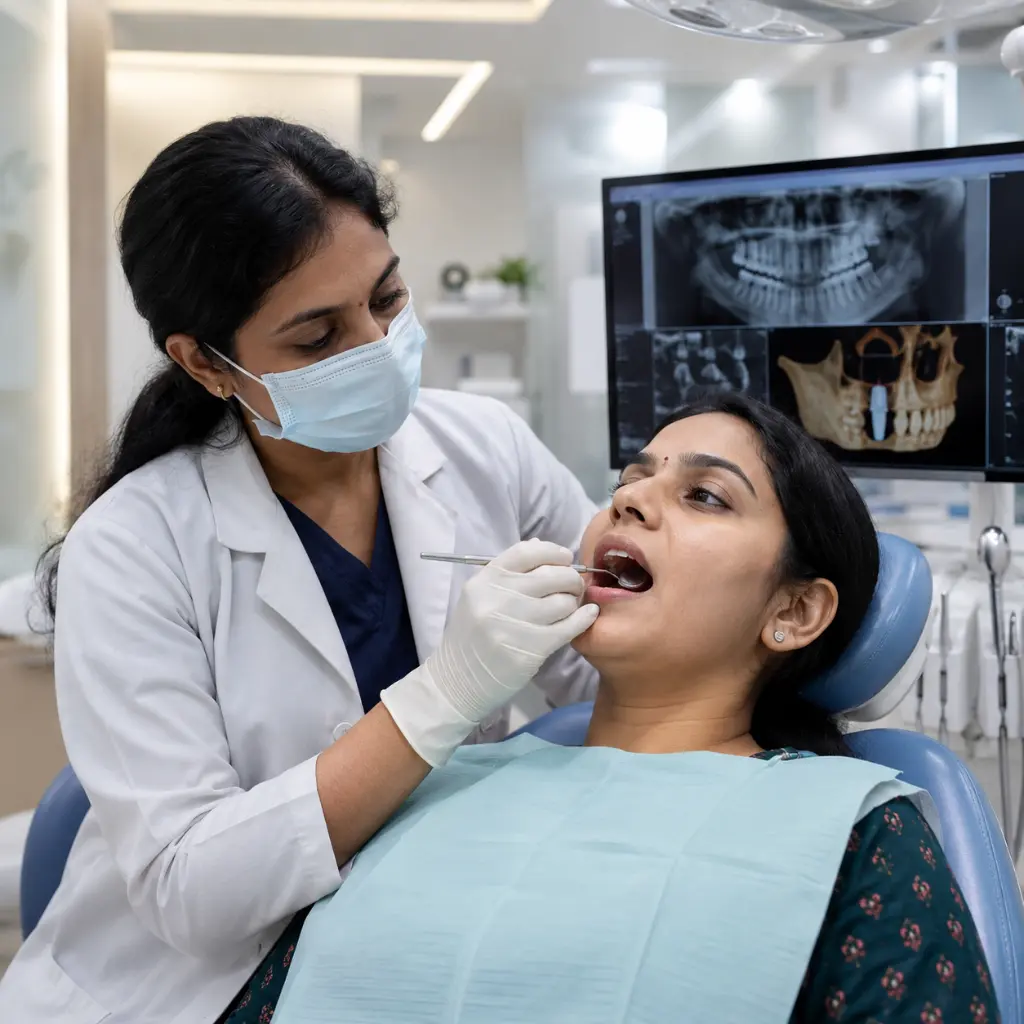
As the initial days pass, things settle noticeably. Swelling subsides, any discomfort fades, and the gum tissue around the implant begins to knit together and heal. This is the soft tissue stage of the dental implant healing process, when the surface starts to feel more normal.
If stitches were placed, they are usually reviewed or removed around this period, and many patients have their first follow-up visit so the dentist can check that healing is on track. By now, most people are easing comfortably back into their usual daily routine, taking care still around the implant site itself.
The Bone Fusion Phase
This is the quiet heart of the whole timeline, and the part that genuinely cannot be hurried. Over the months that follow, the jawbone slowly grows around and bonds firmly with the surface of the implant, a process called osseointegration. It is this gradual fusion that gives the implant its remarkable, lasting stability.
Although little appears to change day by day, this stage is critical to long-term implant stability. The gradual bond between bone and implant develops over time, which is why recovery cannot be rushed without compromising the final outcome.
Fitting the Final Crown

Once the dentist confirms that the implant has fused securely into the bone, the final and most satisfying stage arrives. A small connector is attached to the implant, and a custom-made crown, matched to your natural teeth, is fitted on top to complete the restoration.
For some patients, a temporary tooth is provided earlier in the journey so there is no visible gap during healing, particularly for front teeth. With the permanent crown in place, full chewing function returns and the tooth looks and feels natural. The team at Vetri Dental Clinic will plan the timing of this final step around your individual healing.
Habits That Support Each Healing Stage
Different stages of recovery benefit from different kinds of care. During the first few days, rest, softer foods, and following your dentist’s instructions help the surgical site settle comfortably. As the gums heal over the following weeks, keeping the area clean with gentle brushing supports healthy tissue recovery.
The months that follow are focused on bone integration, even though little may seem to be happening. During this stage, attending follow-up appointments, avoiding smoking, and maintaining good overall health help support the long-term stability of the implant. For patients with diabetes, keeping blood sugar levels well controlled during healing can also contribute to a smoother recovery and better long-term implant outcomes. Consistent care during each stage helps support both recovery and long-term implant success.
When to Contact Your Dentist During Recovery
Each stage of healing follows a general pattern, so unexpected changes are worth checking. During the first few days, swelling and tenderness should gradually improve rather than worsen. In the following weeks, the gum tissue should continue settling comfortably around the implant site.
As healing progresses, any persistent discomfort, unusual swelling, prolonged bleeding, or a feeling that the implant is not stable deserves professional attention. Being familiar with the early signs of dental implant infection can also help you recognise when healing is not progressing as expected and when prompt assessment may be beneficial.While these symptoms do not always indicate a serious problem, they are worth checking to ensure recovery remains on track.
Conclusion
The dental implant healing timeline may span several months, but it unfolds in clear, manageable stages, each one bringing you closer to a strong and natural result. The patience required during the bone fusion phase is what rewards you with an implant built to last. Remember that recovery timelines vary from person to person, so following professional advice and attending review appointments remain important throughout the process. Understanding what to expect at each stage can make the journey feel more manageable and predictable.