

Introduction
Uneven teeth can affect the appearance of your smile because of differences in tooth shape, size, spacing or alignment. Some people have naturally uneven teeth, while others notice changes following chipping or wear.
Understanding how to fix uneven teeth begins with identifying the cause. Minor irregularities may be improved with bonding or contouring, while crooked or crowded teeth may benefit from braces or clear aligners. Veneers and crowns are also options in selected cases. Identifying the cause of uneven teeth can help patients explore suitable cosmetic dentistry solutions in Tirunelveli.
What Causes Uneven Teeth?
Naturally Uneven Tooth Shapes and Sizes
Teeth naturally vary in shape and size. A shorter or narrower tooth may look different from its neighbours even when it is healthy.
Crooked, Crowded or Misaligned Teeth
Crowding occurs when there is insufficient room for teeth to align. Teeth may overlap, rotate or sit further forward than others.
Chipped, Worn or Uneven Tooth Edges
Minor injuries, grinding and everyday wear can change tooth edges. A chipped front tooth may appear shorter than the tooth beside it.
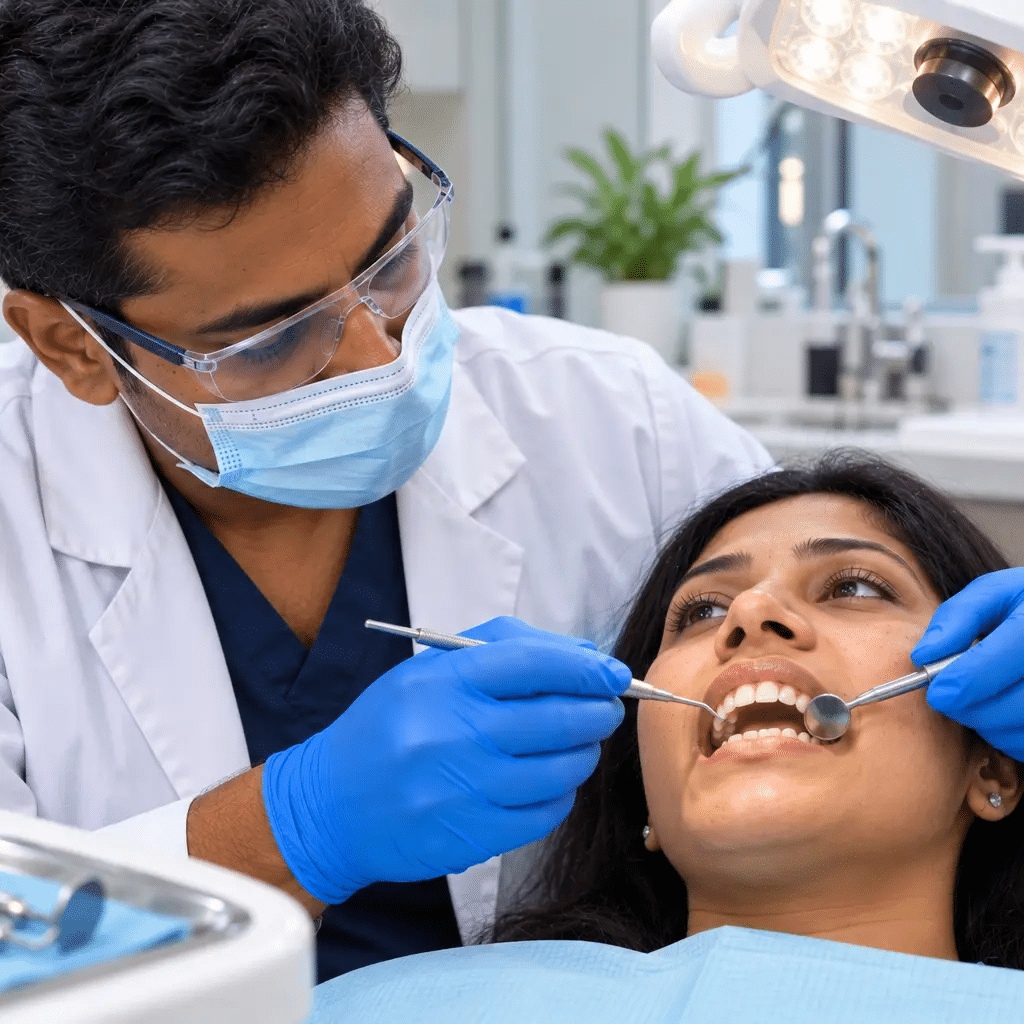
Gaps Between Teeth and Bite Problems
Spaces and differences in how the upper and lower teeth meet can affect smile appearance. Bite forces may also contribute to uneven wear.
6 Cosmetic Options for Uneven Teeth
Different treatments address different causes. The dentist will consider tooth health, alignment and the amount of change required.
1. Dental Bonding for Minor Uneven Teeth
Dental bonding uses tooth-coloured composite resin to reshape small chips, gaps and irregular edges. A dentist applies, shapes and hardens the material, often in one appointment. Composite bonding for crooked teeth can disguise slight irregularities but does not move teeth into alignment. Resin may require polishing or repair over time.
2. Veneers for Uneven Tooth Shapes
Veneers are thin porcelain or composite coverings bonded to the front of existing teeth. They may improve shape, proportions and colour. Porcelain veneers for crooked teeth can mask minor irregularities, but cannot correct underlying alignment. Some veneers require enamel removal, which cannot be reversed.
3. Braces for Crooked or Crowded Teeth
Braces gradually move teeth using controlled orthodontic forces. They can address crowding, overlapping teeth, spaces and some bite problems. Treatment duration depends on complexity, and retainers are generally needed afterwards.
4. Clear Aligners for Misaligned Teeth
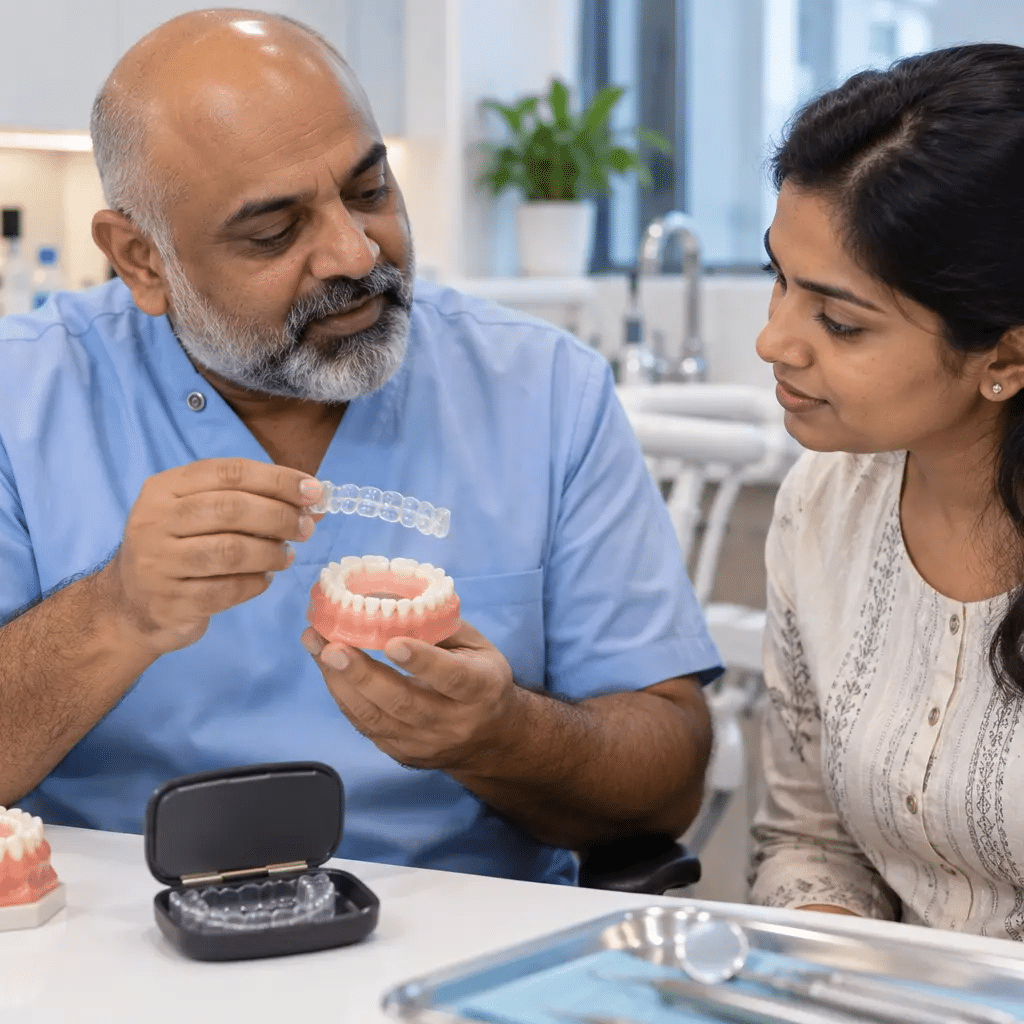
Clear aligners are removable trays designed to move teeth through a planned series of stages. Invisalign is one example. Aligners can address suitable spacing and crowding problems, but require consistent wear and are not appropriate for every case.
5. Teeth Contouring for Uneven Edges
Teeth contouring, also called enamel shaping , can smooth minor irregularities or refine tooth edges. A dentist must assess whether enough healthy enamel is available before recommending this procedure.
6. Dental Crowns for Damaged or Worn Teeth
Crowns cover a tooth to restore shape and function when greater structural support is needed. They may suit heavily worn or damaged teeth. Because crowns usually require more preparation than bonding, they are not typically the first option for minor cosmetic unevenness.
Which Uneven Teeth Treatment Is Right for You?
Treatment for Minor Chips and Irregular Tooth Shapes
Bonding may add material to a chipped or undersized tooth. Contouring may smooth a small irregularity when adequate enamel remains.
Treatment for Crooked or Crowded Teeth
Braces or clear aligners address tooth position rather than merely concealing it. A dentist can assess which orthodontic approach is suitable.
Treatment for Gaps Between Teeth
Small gaps may sometimes be improved with bonding or veneers. Wider gaps or alignment-related spacing may require orthodontic care.
Treatment for Worn or Structurally Damaged Teeth
Bonding may help with limited wear, while crowns may be considered when a tooth needs more protection. The cause of wear should also be assessed.
Can Uneven Teeth Be Caused by Bite Problems?
Yes. When the upper and lower teeth do not meet evenly, some teeth may experience additional pressure and wear. An uneven bite can coexist with crowding or spacing. Restoring tooth shape without assessing the bite may leave the cause unaddressed. A dentist may recommend orthodontic or restorative treatment depending on the findings.
What Should You Avoid When Fixing Uneven Teeth?
Avoid filing or reshaping your teeth at home, as this can damage the enamel and cause sensitivity. Whitening changes tooth colour but does not correct alignment or tooth shape. Consult a dentist before choosing cosmetic treatment, particularly if you notice new chips, increasing wear or changes in your bite.
Conclusion: Finding the Right Cosmetic Solution for Uneven Teeth
Dental bonding, veneers, braces, clear aligners, contouring and crowns can each address different causes of uneven teeth. How to fix uneven teeth depends on whether the concern involves minor shape differences, tooth position, bite problems or structural damage.
At Vetri Dental Care Centre in Tirunelveli, our experienced dental team can assess your teeth and explain suitable cosmetic or orthodontic options. Arrange a dental consultation to discuss your individual needs.