

Introduction
A sudden change in tooth colour can be surprising, particularly when your brushing habits have not changed. Sudden tooth discoloration may be linked to surface stains from food and drinks, plaque or tartar buildup, certain medicines, enamel changes, tooth decay, or an injury. The appearance alone cannot always reveal the cause, so it is important to consider whether one tooth or several teeth have changed colour and whether you have pain or sensitivity.
The right tooth discoloration treatment depends on what is causing the change. Some surface stains may respond to professional cleaning or whitening, while deeper discolouration or a damaged tooth may need a different approach.
People concerned about stained or discoloured teeth can discuss teeth whitening options with a dentist in Tirunelveli.
What Causes Sudden Tooth Discoloration?
Food and Drinks That Stain Teeth
Coffee, tea, dark-coloured sauces, berries and other strongly pigmented foods can leave stains on the outer surface of teeth. These stains may become more noticeable when they build up over time or when plaque makes the tooth surface less smooth. Rinsing with water after consuming staining foods and drinks can help reduce residue, although it will not remove every stain.
Plaque and Tartar Buildup
Plaque is a sticky film of bacteria that collects on teeth. If it is not removed through daily brushing and cleaning between the teeth, it can harden into tartar. Tartar may look yellow or brown and can hold on to stains. Once tartar has formed, brushing alone cannot remove it safely; a dental professional can assess whether a cleaning is needed.
Medication-Related Tooth Discolouration
Some medicines and medicated mouth rinses can contribute to tooth discolouration. The effect depends on the product, the timing of use and individual circumstances. Do not stop or change a prescribed medicine because of a change in tooth colour. Instead, tell your dentist about medicines, supplements and mouth rinses you use so they can consider whether these may be contributing factors.
Enamel Erosion and Tooth Decay
Enamel protects the visible surface of a tooth. Frequent exposure to acids, including acids from some foods and drinks or reflux, can wear it away over time. As enamel becomes thinner, the naturally yellow dentine beneath it may show through more clearly. Brown, grey or dark areas can also be associated with tooth decay, but colour alone cannot confirm a cavity.
Tooth Discolouration After Trauma
A tooth may darken after a fall, a blow to the mouth or another injury. Discolouration can sometimes indicate changes inside the tooth, even if the injury happened some time ago. If one tooth suddenly becomes grey or dark, arrange a dental assessment promptly, especially if there is pain, tenderness, swelling or a history of injury.
What Are the Cosmetic Treatment Options for Tooth Discoloration?
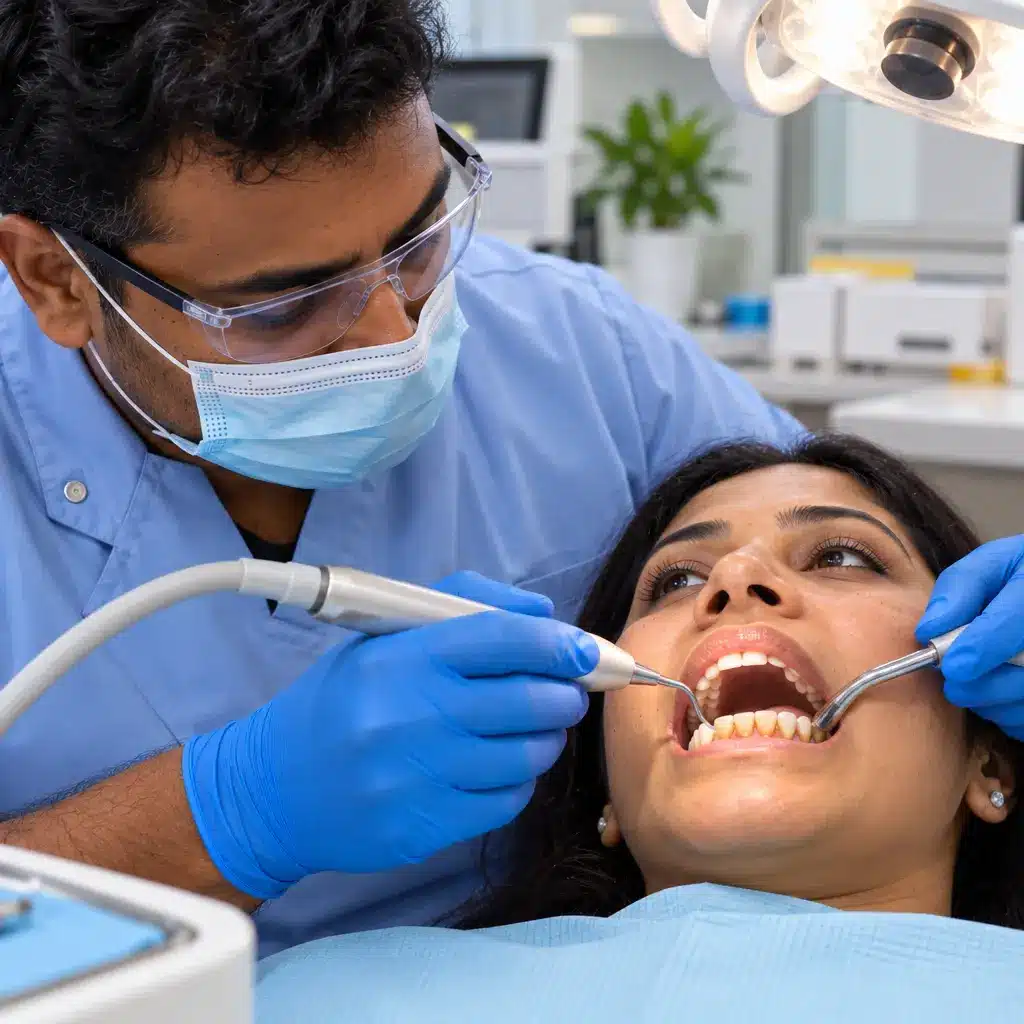
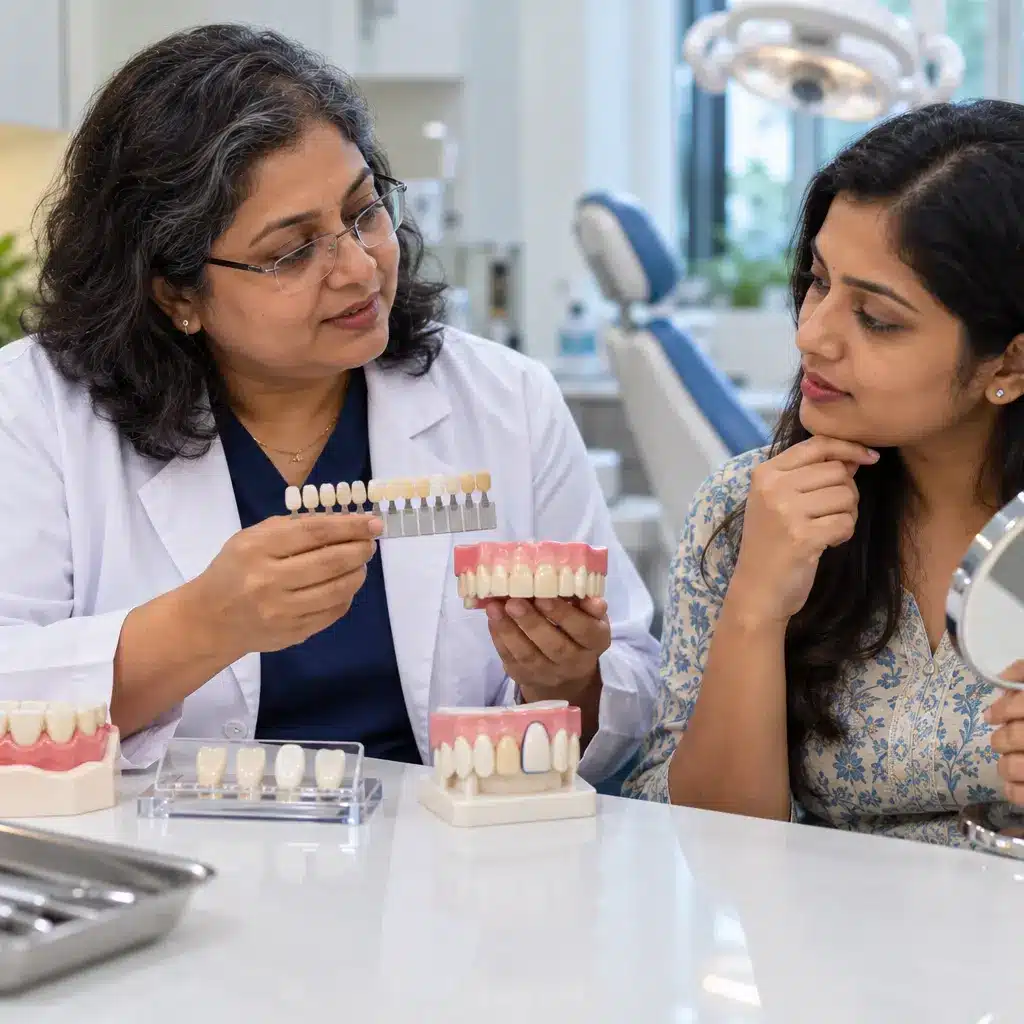
There is no single treatment that works for every type of stain. Your dentist will first assess your teeth and gums, look for decay or damage, and discuss the result you would like to achieve. Cosmetic treatment is best considered after any underlying oral health problem has been identified.
Professional Teeth Whitening
Professional whitening uses dental bleaching products to lighten suitable forms of tooth discolouration. It may help with some stains caused by foods, drinks and tobacco, but results vary with the cause and depth of the stain. Whitening does not repair cavities, remove tartar or reliably change the colour of every internally discoloured tooth.
Dental Bonding for Stained Teeth
Dental bonding uses tooth-coloured composite material to cover or improve the appearance of selected areas. It may be considered for localised discolouration, small chips or other minor shape concerns. Where the concern is the shape of a tooth rather than its colour, reshaping the enamel may be considered instead of, or alongside, bonding.
Veneers for Discoloured Teeth
Veneers are thin coverings placed on the front surfaces of selected teeth to change their appearance. They may be an option for some persistent discolouration that does not respond well to whitening. Veneers are not suitable for every patient, and treatment planning should consider enamel, bite, gum health and the amount of tooth preparation involved. They also need a natural tooth to bond to, which matters when planning veneers alongside a missing tooth.
Dental Crowns for Severely Discolored Teeth
A dental crown covers the visible part of a tooth. It may be recommended when a tooth is significantly weakened or damaged, or when its condition makes a crown more appropriate than a less extensive cosmetic option. A crown is not usually the first choice for colour change alone if a more conservative treatment can meet the need. The decision depends on the tooth’s health and structure.
How Can You Prevent Tooth Discolouration?
Maintain Good Oral Hygiene
Brush twice daily with fluoride toothpaste and clean between your teeth every day. Consistent plaque removal helps reduce surface staining and supports gum health. Use a soft-bristled toothbrush and avoid brushing aggressively, as excessive force can contribute to gum recession and wear.
Limit Staining Foods and Drinks
Coffee, tea and other dark-coloured foods and drinks can contribute to surface stains. You do not necessarily need to avoid them completely; consider having them with meals, drinking water afterwards and keeping up with your daily oral hygiene routine.
Attend Regular Dental Cleanings
Routine dental visits allow your dentist to check for plaque and tartar, early decay, gum problems and changes in tooth colour. Professional cleaning can remove deposits that brushing cannot. Your dentist can also advise how often you need check-ups and cleaning based on your oral health.
Protect Teeth From Enamel Damage
Limit frequent exposure to acidic drinks and foods, and seek advice if you experience reflux or repeated acid exposure. Do not use harsh powders or abrasive methods in an attempt to scrub stains away. These approaches may wear tooth surfaces rather than solve the cause of the discolouration.
When Should You See a Dentist for Sudden Tooth Discoloration?
Book a dental assessment if the colour change appears quickly, affects only one tooth, keeps getting darker, or does not improve after normal oral hygiene. Seek prompt advice if the change follows an injury or occurs with pain, sensitivity when biting, swelling, a bad taste or gum changes. Severe swelling or difficulty swallowing or breathing needs urgent medical attention.
A dentist can examine the tooth and, when needed, use dental imaging or other tests to investigate the cause. This helps distinguish surface staining from decay, enamel damage or a problem inside the tooth. Whitening or cosmetic covering should not take the place of diagnosing and treating an underlying condition.
Conclusion
The causes of sudden tooth discoloration range from everyday staining, plaque and tartar buildup to medication, enamel changes, tooth decay or trauma. Because these causes need different responses, the safest first step is to find out why the colour has changed.
If you notice an unexpected change in tooth colour, contact Vetri Dental Care Centre in Tirunelveli to arrange an appointment. Share when the discolouration began and any symptoms or recent injury so the dental team can assess your concerns.