

Introduction
Dry socket is a condition that some patients may experience after a tooth extraction a few days after removing a tooth. Many people come in saying the pain suddenly increased after initially feeling fine. This usually indicates that the healing clot inside the socket may have shifted. Understanding what a dry socket is helps you avoid panic and take the right next step. With proper dental care guidance and timely follow-up, this issue can be managed comfortably. At Vetri Dental Care Clinic in Tirunelveli, we focus on clean procedures, modern sterilisation, and clear aftercare instructions so healing stays smooth and stress-free.
What Is Dry Socket After Tooth Extraction?
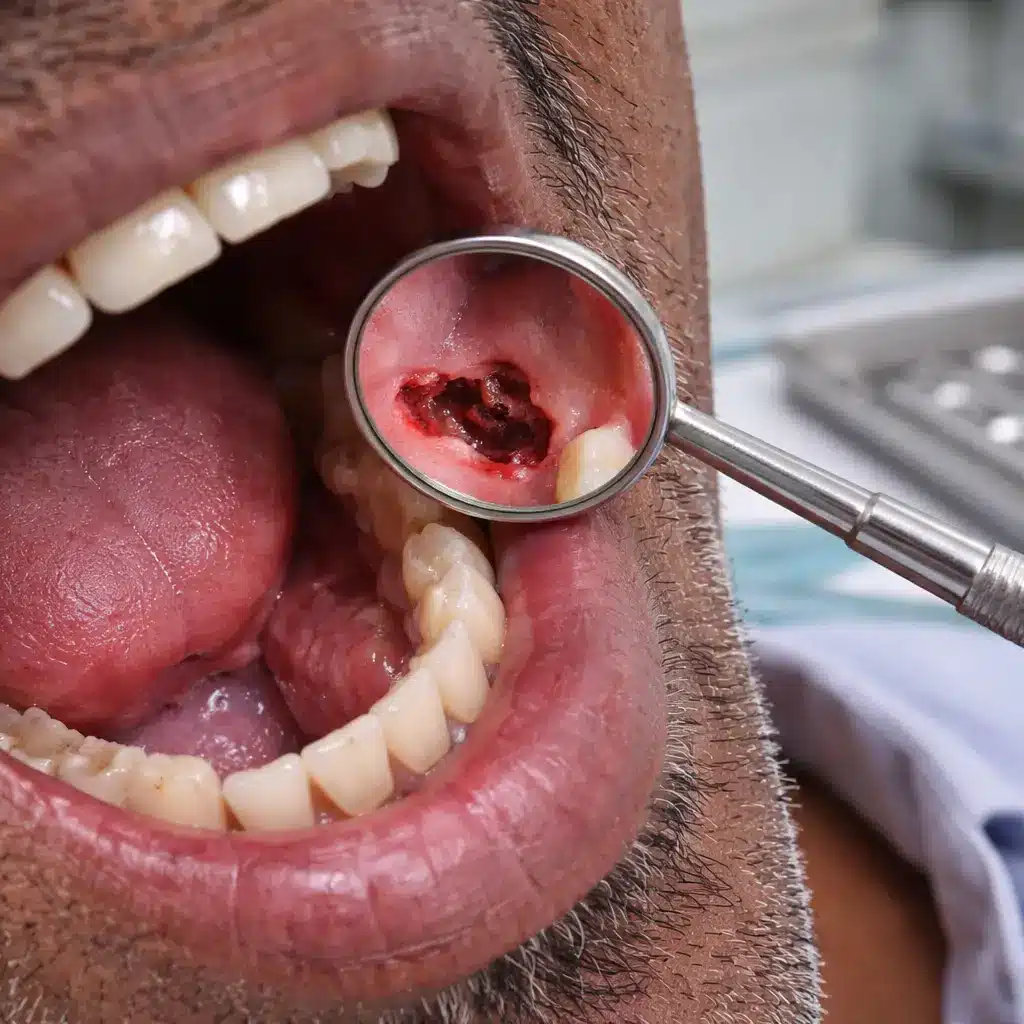
Dry socket after tooth extraction is also called alveolar osteitis. After an extraction, a blood clot usually forms in the socket and protects the area while the gum starts healing. If the blood clot dislodges or dissolves early after extraction, the inner surface of the socket becomes exposed. This may lead to exposed bone in the tooth socket and increased sensitivity.
Patients often describe it as severe pain after tooth removal that feels sharper and deeper than normal extraction soreness. The good news is that with proper care, discomfort reduces quickly.
Dry Socket Symptoms and Signs to Watch For
Dry socket symptoms usually become noticeable after the second day. Many patients say the pain feels like it is travelling towards the ear or side of the head.
Signs of dry socket after tooth extraction often include:
- Throbbing or severe pain after tooth removal that does not reduce
- A socket that looks open or empty
- Visible exposed bone in the tooth socket in some cases
- Bad taste, mild smell, or discomfort while eating
If these symptoms appear, it is best not to self-medicate repeatedly. Professional evaluation gives faster relief.
What Causes Dry Socket?
Understanding what causes dry socket helps you prevent it in most cases. The main reason is that the protective clot gets disturbed or breaks down early.
Common causes of dry socket include:
- Vigorous rinsing or frequent spitting in the first 24 hours
- Touching the area with fingers or tongue
- Using a straw, which can create suction
- Smoking after tooth extraction risk, which is a major risk factor
In some cases, hormonal factors are linked too, which is why oral contraceptives and dry socket are discussed during consultation for women.
Dry socket is more commonly seen after wisdom tooth extraction, especially when the tooth is impacted or requires a surgical procedure. Following proper aftercare instructions is essential to reduce the risk after wisdom tooth removal.
Risk Factors for Dry Socket
Not everyone has the same risk. Certain situations increase the chance slightly, especially if healing is slower.
Risk factors include difficult extraction, poor oral hygiene, and a previous history of dry socket. Some patients also have a higher infection risk after tooth extraction if they do not follow aftercare properly. The important thing is that these are manageable risks, and most patients heal well when instructions are followed.
Gum receding may also expose sensitive areas of the tooth and make healing after extraction slightly more uncomfortable. Maintaining good gum health before and after a tooth extraction helps support faster and smoother recovery.
How to Treat Dry Socket After Tooth Extraction
Patients often worry that treatment will be painful. In reality, dry socket treatment is usually simple and focused on comfort.
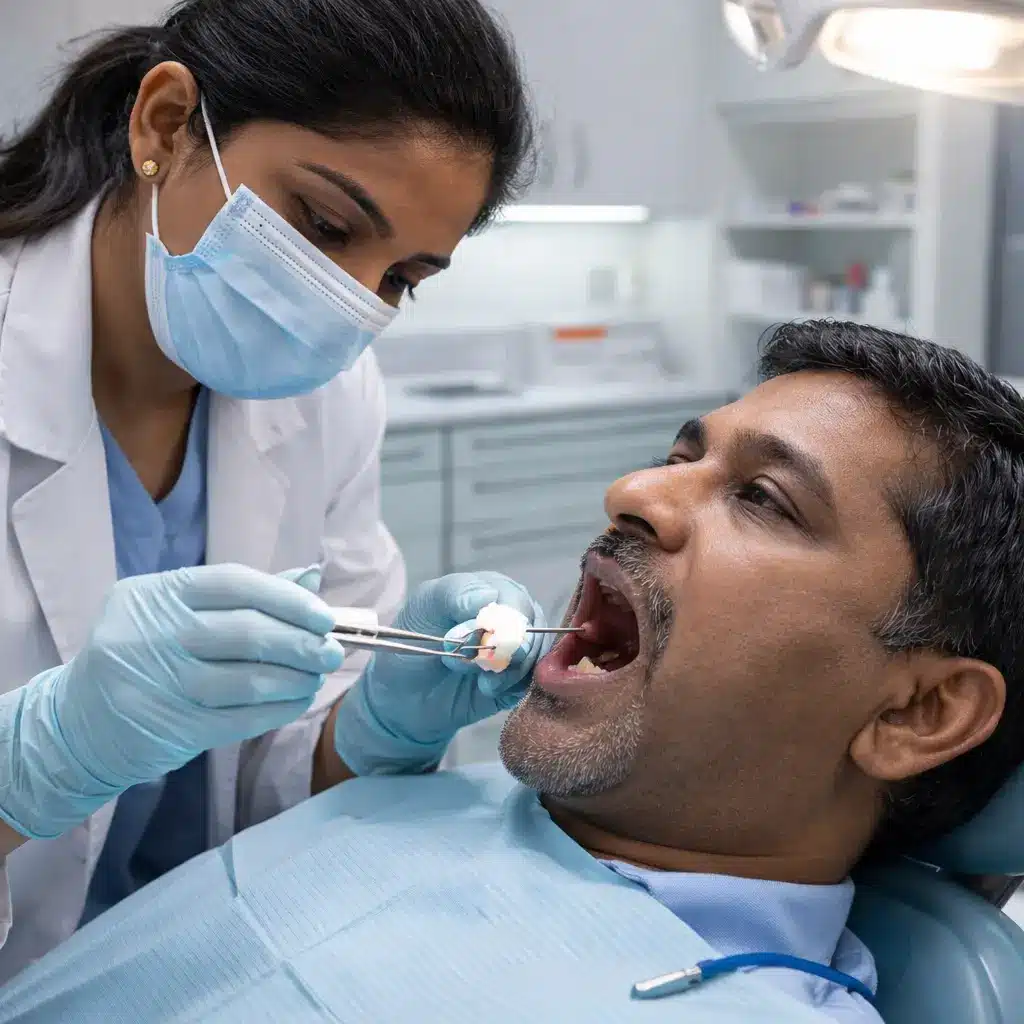
How to treat dry socket after tooth extraction typically involves cleaning the socket gently and placing a medicated dressing for dry socket. This dressing protects the area and reduces irritation. Pain medicines may be advised for dry socket pain relief, and patients usually feel improvement within a short time.
At Vetri Dental Care Clinic, we use safe, hygienic methods and ensure the patient feels calm and supported during the process.
How Long Does Dry Socket Last?
A common question is how long a dry socket lasts. Once treatment begins, pain usually reduces noticeably within 24 to 72 hours. Dry socket healing time is commonly around 7 to 10 days, depending on overall health and how well aftercare is followed.
In hot weather or when hydration is low, the mouth can feel dry and uncomfortable. Drinking enough water and maintaining gentle oral hygiene support faster healing.
How to Prevent Dry Socket After Tooth Extraction
How to prevent dry socket after tooth extraction mainly depends on protecting the clot during the first few days.
Here is a simple prevention checklist that works well for most Indian patients and food habits:
- Avoid chewing tobacco
- Eat soft, lukewarm foods and avoid spicy items initially
- Follow prescribed medicines properly
- Maintain gentle cleaning around the area
Dry socket prevention after extraction becomes much easier when these steps are followed seriously.
When Should You Visit the Dentist Again?
If pain is increasing after 2 to 3 days, or if you suspect the blood clot has dislodged after extraction, it is better to visit the dentist instead of waiting. A quick review and proper dry socket diagnosis by a dentist can save you from unnecessary discomfort and help healing return to normal faster.
Get Comfortable Relief and Safe Healing in Tirunelveli
Dry socket after tooth extraction is uncomfortable, but it is treatable and temporary when managed correctly. Understanding dry socket symptoms, causes of dry socket, and prevention steps helps you recover with confidence. At Vetri Dental Care Clinic in Tirunelveli, we follow strict sterilisation, use modern equipment, and provide personalised aftercare guidance that suits Indian patients and their lifestyle. Book your appointment today and let our team support your recovery with safe treatment and long-term dental care.