

Introduction
That sudden jolt of pain when you bite into a piece of jaggery or sip a glass of sweet falooda is something many people quietly put up with for years. It usually fades within seconds, so the worry passes just as quickly. Yet this pattern, known as tooth sensitivity to sweets, is rarely random. It points to a specific change inside the tooth or around the gums that deserves a closer look. Patients across Tirunelveli often visit our reliable dental professionals in Tirunelveli with this exact concern, surprised to learn how many possible reasons lie behind such a brief moment of discomfort.
What Sweet Sensitivity Really Means
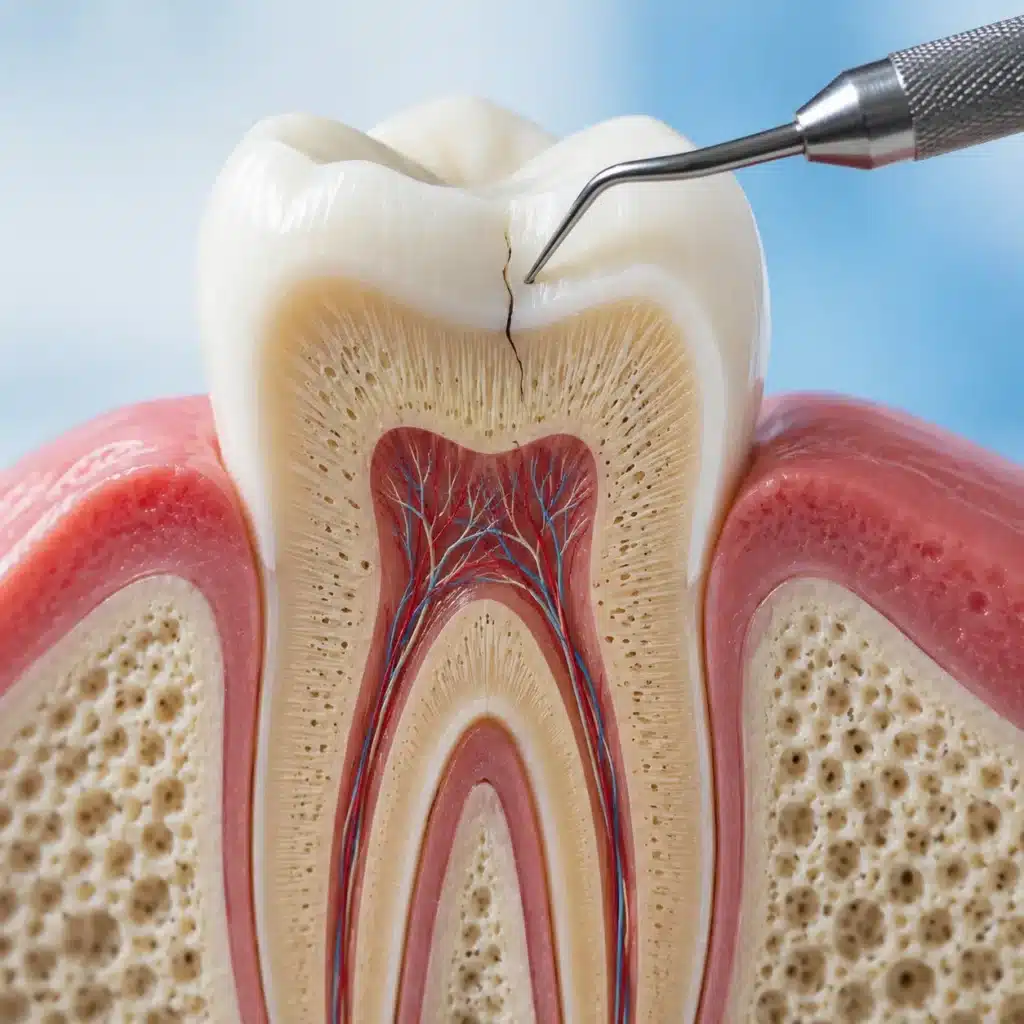
Sweet sensitivity is different from sensitivity caused by hot or cold foods. While temperature-based sensitivity often signals exposed nerves or enamel wear, pain from sugar usually indicates that sweet molecules are reaching deeper layers of the tooth where they should not. The tooth has a protective outer shell and softer inner tissue containing thousands of microscopic channels leading to the nerve. When these channels become exposed, sugar triggers a quick, sharp response that fades soon after.
Why Sweets Cause Tooth Pain in the First Place
Sugar itself does not directly damage a tooth, but the acids produced by bacteria after sugar exposure can weaken enamel. Without adequate saliva flow, the enamel cannot properly remineralise between repeated sugar exposures, making sensitive or weakened areas react more quickly to sweets.
Common Reasons Your Teeth Hurt When Eating Sweets
Several conditions can explain why your teeth ache while enjoying sugary foods. Identifying the right cause is the foundation of effective treatment, and a thorough dental examination usually clarifies the picture quickly. The most common reasons are explained in the sections that follow.
Thinning Enamel from Daily Wear
Enamel shields each tooth from sugar, acid and pressure throughout your lifetime. Frequent fizzy drinks, sour candies, lemon water on an empty stomach and even excessively firm brushing can wear it down over the years. Once enamel thins, sweet foods reach the inner tooth much more easily. Patients often notice that sensitivity appears in specific teeth first, particularly those exposed to acidic drinks or those used heavily for chewing during meals.

Hidden or Developing Cavities
Cavities frequently begin without any visible warning. A small breach in the enamel allows bacteria and sugar to slip into the dentin layer, where the nerve responds with brief, sharp pain. Some patients feel discomfort weeks before the cavity appears clearly. A dark spot, a small hole or food that keeps lodging in the same area between meals are early signals. Timely tooth filling at Vetri Dental Clinic stops the decay before it reaches the nerve and prevents more involved treatment later.
Gum Recession Exposing Root Surfaces
The roots of your teeth are naturally softer than the crown because they have no enamel covering. When the gums recede due to aggressive brushing, gum disease or long-term grinding, the roots become exposed and respond sensitively to sweets. Many patients are surprised to learn that gum tissue plays such a direct role in tooth sensitivity. Gentle gum care, professional treatment and the right brushing technique often bring noticeable relief within a few weeks.
Active Gum Inflammation
When gums become inflamed due to plaque accumulation, they swell slightly and pull away from the tooth, creating tiny gaps where sugar can settle more easily. Patients with bleeding gums, mild puffiness or persistent bad breath often experience sweet sensitivity at the same time, and the irritation may gradually progress into gingivitis if not addressed early. Professional cleaning and tailored gum care usually help reduce both the inflammation and the sensitivity. If left untreated for long periods, ongoing gum inflammation may weaken the supporting tissues around the teeth and contribute to tooth looseness in more advanced cases, allowing the condition to deepen and future treatment to become more involved.
Tiny Cracks That Escape Notice
A hairline crack in a tooth can be invisible to the naked eye, yet large enough to let sugar reach the sensitive layers within. These cracks often develop after chewing on something hard, an unexpected bite on a small stone in food, long-term grinding or sudden changes in tooth temperature. The pain may appear only when biting in a certain way or when sugary foods touch a specific spot. Early evaluation prevents the crack from worsening and may save the tooth from needing root canal treatment.
Older Restorations Losing Their Seal
Fillings, crowns and bonded surfaces provide excellent protection for many years, but they do not last indefinitely. Over time, the edges of older restorations can wear down, leaving microscopic gaps where bacteria and sugar slip beneath. The tooth then begins to respond to sweets in ways it did not before. Patients often mistake this for a fresh cavity, when in fact the original treatment simply needs gentle restoration or replacement.
Recent Cosmetic or Whitening Procedures
Some cosmetic dental treatments, particularly whitening procedures, can leave the teeth temporarily more sensitive. This usually settles within days, but some patients experience lingering reactions to sugar during the recovery phase. A short conversation with your dentist about your daily care, toothpaste choice and meal habits often helps the sensitivity ease quickly without compromising the treatment results.
How Sweet Sensitivity Feels
The experience varies from patient to patient. Some describe a brief electric pain that disappears within seconds, while others feel a deeper ache that lingers for a few minutes. Certain people notice that only one tooth reacts, while others find the discomfort spreads across several teeth. When sensitivity becomes constant, wakes you at night or feels throbbing rather than sharp, the issue usually goes beyond simple sensitivity and requires prompt attention from your dentist.
How to Reduce Sensitivity at Home
After eating something sweet, rinse your mouth with plain water rather than brushing immediately. Brushing softened enamel can do more harm than good. If you have just consumed something acidic, such as citrus or fizzy drinks, wait around half an hour before brushing. Drinking water regularly throughout the day supports saliva flow, which naturally neutralises acids and helps strengthen the enamel surface.
Smarter Eating Habits That Help
The frequency of sugary foods matters far more than the total amount. Constant snacking on sweets, sweetened tea or fizzy drinks keeps the mouth acidic for long stretches, giving the enamel little time to recover. Enjoying a small portion after a proper meal is gentler than nibbling sweets throughout the afternoon. Sticky sweets that cling to the teeth and lemon-based drinks consumed alone are particularly worth limiting. Crunchy fruits, vegetables and unsweetened dairy are better choices for everyday snacking and support healthier teeth and gums.
Professional Treatments at Vetri Dental Clinic
When home care does not fully resolve the discomfort, professional treatment brings lasting relief. Tooth filling restores teeth affected by early decay, while bonded materials can cover exposed root surfaces and reduce sensitivity to sweets. Patients with deeper concerns, including infection inside the tooth, often benefit from root canal treatment in Tirunelveli, which removes the source of pain and preserves the natural tooth.
Gum recession and gum disease are addressed through targeted gum treatment and gentle professional cleaning, which together support healthier tissue and reduced sensitivity. For cracked teeth or worn restorations, a thorough examination guides the right plan, ranging from simple repairs to more comprehensive cosmetic dental treatment. Each plan is personalised to the patient’s age, oral health and lifestyle, ensuring meaningful results without unnecessary procedures.
When to See a Dentist
Mild sensitivity may settle with gentle home adjustments, but certain symptoms call for prompt dental attention. Pain that lingers for several minutes after eating, sharp discomfort focused on a single tooth, dark patches on the tooth surface, swelling near the gumline or sensitivity that worsens despite using a sensitivity toothpaste all deserve professional evaluation. Pain that wakes you at night should never be delayed. Early treatment is almost always simpler, more comfortable and more affordable than waiting.
Building Long-Term Comfort Through Preventive Care
Professional teeth cleaning at Vetri Dental Clinic removes plaque and tartar that home care cannot reach, while early decay and gum changes are caught well before they create pain. Families in Tirunelveli often find that bringing both adults and children for regular visits creates lifelong habits that protect the entire household.
Conclusion
Tooth sensitivity to sweets is rarely just a passing inconvenience. It is a quiet signal from your teeth or gums that something deserves attention. Whether the cause is thinning enamel, an early cavity, gum recession or an ageing filling, timely action keeps treatment simple and recovery comfortable. With gentle daily habits, mindful eating and regular dental visits, sweet moments can remain genuinely enjoyable. If you notice ongoing sensitivity or pain, the caring team at Vetri Dental Clinic in Tirunelveli is always here to support your smile with trusted dental care.