

Introduction
Many people lose a tooth and simply learn to live with the gap. Over time, chewing adapts, and the missing tooth becomes part of daily life. Then one day, a quiet thought returns: could it still be replaced after all this time? This is one of the most common questions we hear about dental implants after tooth loss, and the answer is more encouraging than most expect. Patients exploring dental implants in Tirunelveli often assume that a long-standing gap has closed the door on treatment. In most situations, that concern turns out to be unnecessary, and a proper assessment can provide a much clearer picture of what is possible.
A Common Question, A Reassuring Answer
Let us address the worry head-on. The number of years since you lost a tooth is rarely a barrier on its own. Whether the gap appeared two years ago or twelve, time alone does not close the door on treatment. What matters far more is the present condition of your jaw and gums today. A mouth that has been reasonably well cared for often remains a good candidate, regardless of how long the space has been there.
Why an Old Tooth Gap Needs Assessment Today
Many people assume that the number of years since a tooth was lost determines whether an implant is still possible. In reality, the condition of your mouth today matters far more than the date the tooth was lost.
Over time, a long-standing gap can lead to subtle changes in the surrounding area. Nearby teeth may shift slightly, and your bite may adapt as you learn to chew around the space. These changes do not necessarily prevent treatment, but they do make a proper assessment important.
This is why a detailed evaluation is always the starting point. Rather than focusing on how long the tooth has been missing, the dentist looks at the current health of your gums, teeth, and supporting structures to determine what options are available.
Does a Long Gap Rule You Out?
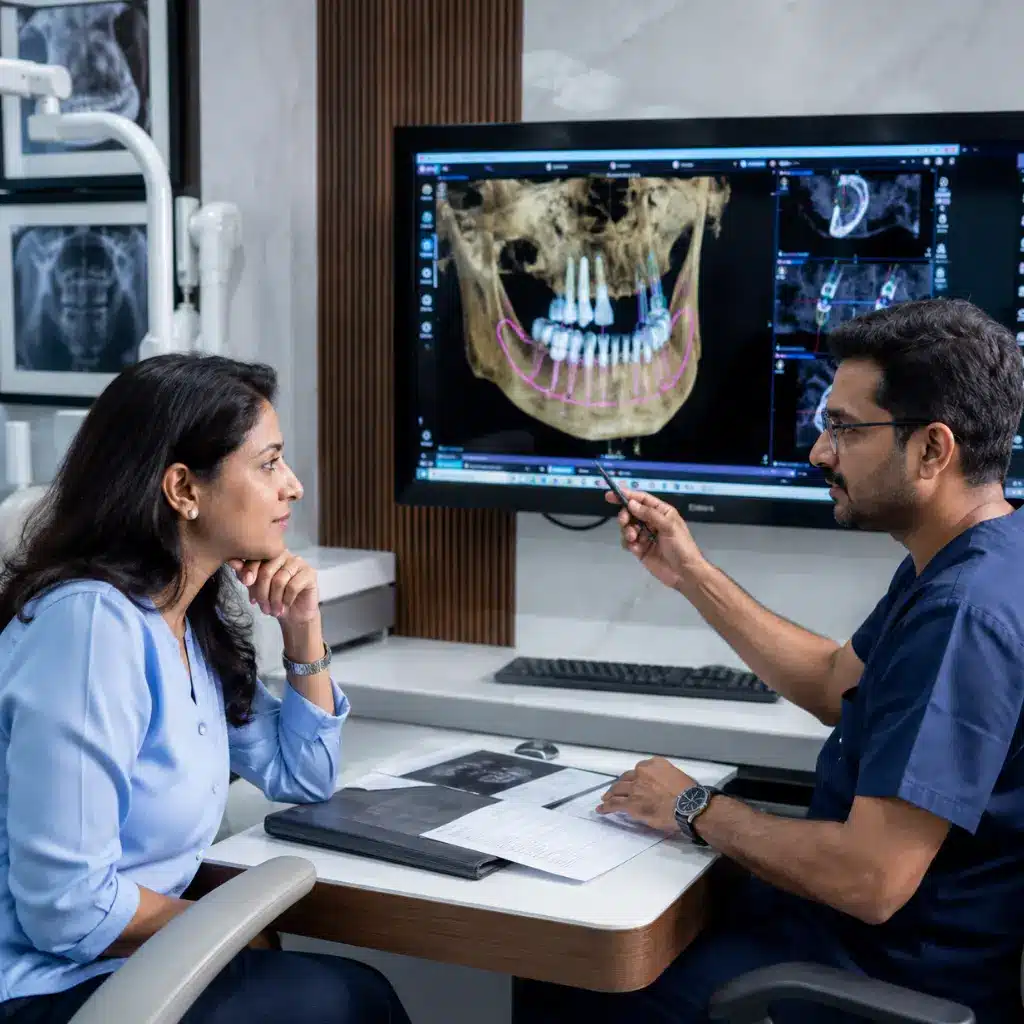
Fortunately, the answer is often no. While changes can occur in the area over time, many patients remain suitable candidates for treatment even after years of living with a missing tooth. The focus is not on the age of the gap itself, but on the condition of the surrounding bone, gums, and teeth today.
Even when additional preparation is required, modern implant dentistry offers solutions that can help create a stable foundation for treatment. The best way to understand what is possible is through an individual assessment.
What Dentists Evaluate Before Replacing an Old Missing Tooth
Every long-standing tooth gap is different, which is why treatment begins with careful planning rather than assumptions. A thorough evaluation focuses on the health of the surrounding tissues, the amount of support available for treatment, and any shifts or adaptations that have taken place in adjacent teeth since the gap first appeared.
Modern imaging provides a detailed view of the site, helping identify any factors that may influence treatment. This evaluation allows the dentist to determine the most suitable approach and whether any preparation is needed before an implant can be placed. This planning process helps identify the most appropriate treatment path and reduces the likelihood of surprises later in the journey.
What Affects Your Eligibility

Several practical factors guide whether implants are suitable, and they matter far more than the calendar. A dentist will usually consider:
- The amount and quality of jawbone remaining
- The health of your gums and any signs of gum disease
- Your general health and any conditions that affect healing
- Oral hygiene habits and whether you smoke
In some patients, long-term tooth loss can lead to a reduction in jawbone volume, but this does not automatically rule out implant treatment and can often be assessed and managed during planning.
None of these factors is determined simply by how many years have passed. To judge them accurately, a thorough assessment is carried out, often including a 3D scan that shows the bone in detail. Looking at these factors together provides a far clearer picture of whether an implant is likely to be successful.
The Journey From Gap to New Tooth
The path to a new tooth is more straightforward than many imagine. It begins with a consultation and detailed imaging to study the bone and plan the treatment. If any groundwork, such as a bone graft, is needed, this is completed first and given time to settle.
Next comes placing the single tooth dental implant, a small post that sits within the jaw in place of the old root. Over the following weeks, the bone gradually grows around and bonds to it, a process called osseointegration that gives the implant its remarkable stability. Once this union is secure, a custom crown is fitted on top, completing the restoration with a tooth that looks and works naturally.
Keeping Your Implant Healthy for Years to Come
Replacing a tooth is only part of the journey. Once the implant and final crown are in place, ongoing care helps maintain the result for years to come. Good daily brushing, cleaning between the teeth, and regular dental visits all play an important role.
Most patients find that an implant quickly becomes part of their normal routine. With consistent care and professional reviews, it can continue to look, feel, and function much like a natural tooth. Small habits carried out consistently often make the biggest difference to long-term implant success.
Conclusion
If you have been living with a gap for years, take heart. In most cases, it is simply not too late, and dental implants after tooth loss remain a realistic and lasting way to restore both function and confidence, even long after the tooth was lost. A thinned jaw can often be rebuilt, and the factors that truly count can be assessed clearly. Rather than assuming the window has closed, let the team at Vetri Dental Clinic in Tirunelveli examine your situation and tell you what is genuinely possible.