

Introduction
It is a hope almost every patient quietly holds. When a tooth becomes infected and painful, many wish a simple course of tablets could fix the problem and spare them any treatment. The confusion deepens because dentists do sometimes prescribe antibiotics before root canal treatment, which makes people wonder whether the medicine alone might do the whole job. The reality is a little more complex than a straightforward yes or no answer. Understanding when root canal treatment for tooth infections is necessary helps explain what antibiotics can achieve and where their limitations begin.
Why Antibiotics Cannot Fully Reach the Source
Antibiotics work by travelling through the bloodstream to areas where bacteria are present. This approach is effective for many infections throughout the body. However, once the tissue inside a tooth becomes severely damaged or loses its normal blood supply, it becomes much harder for medication to reach the bacteria hiding within the root canal system.
As a result, antibiotics may help reduce symptoms around the affected tooth, but they cannot reliably eliminate the bacteria trapped inside the canal itself. This is why medication alone is often unable to provide a permanent solution.
What Antibiotics Actually Do
This does not mean antibiotics are useless. Used correctly, they play a real and valuable role. Antibiotics for tooth infection can slow the spread of bacteria into the surrounding tissue and help bring down swelling that has begun to build around the jaw or cheek.
When an infection has flared up suddenly, a course of medication can settle the worst of the discomfort and reduce facial swelling. This often makes a patient more comfortable and calms an angry situation. The relief is genuine, but it is important to understand what kind of relief it really is.
Why the Relief Does Not Last
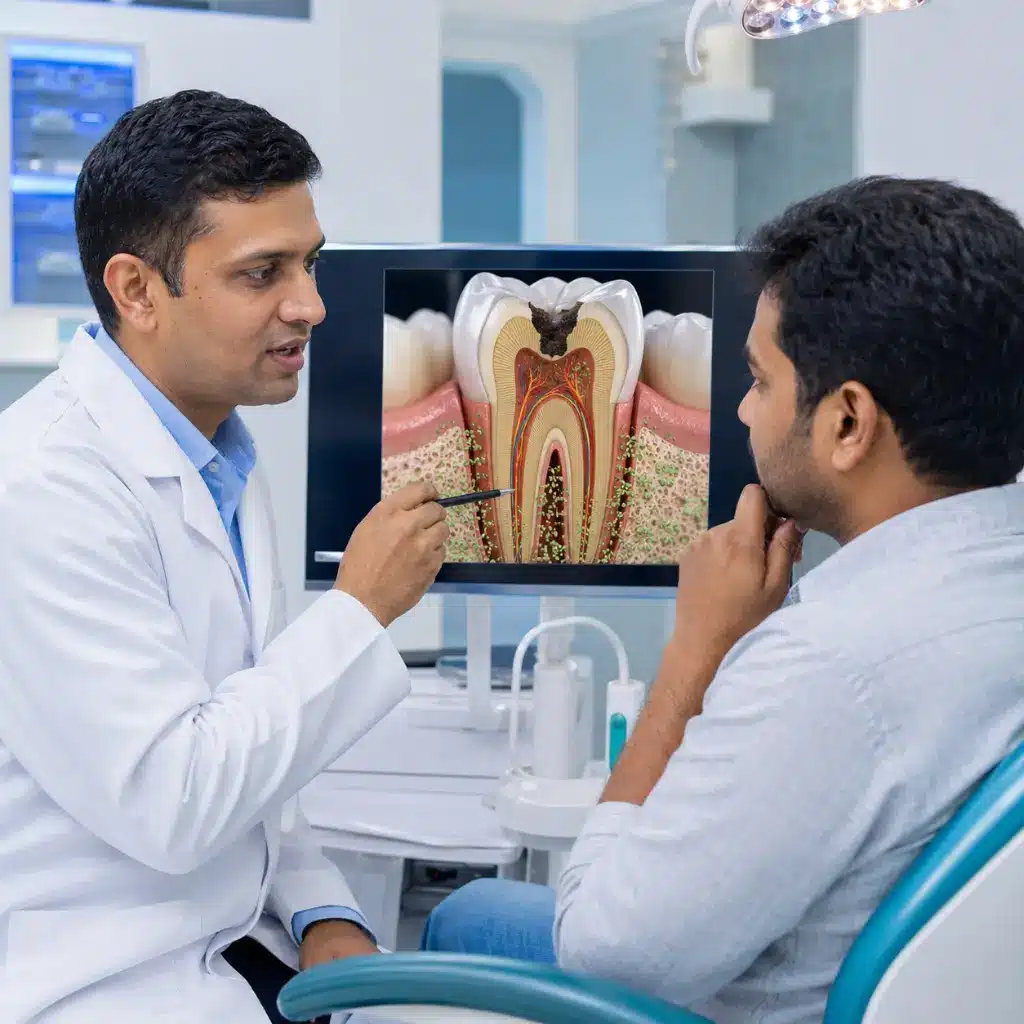
Here lies the heart of the matter. Antibiotics work on the bacteria they can reach, mainly those that have spread outside the tooth into the surrounding area. What they cannot touch is the dead or infected pulp sealed inside the canal, which acts as a protected reservoir for bacteria.
So while the tablets may quieten things for a time, the true source of the problem stays untouched. This is why a tooth infection rarely goes away with antibiotics for good. Once the course finishes, the bacteria within the canal multiply once more, and the pain and swelling tend to return. The medicine cannot remove the infection permanently because it never reaches its root.
When a Dentist Does Prescribe Them
There is a sensible place for medication in the wider plan. A dentist may prescribe antibiotics before root canal treatment in specific situations rather than as a cure. These include significant facial swelling, signs that the infection is spreading, or a fever accompanying the dental pain.
In such cases, the medicine helps bring the infection under control so that treatment can be carried out more safely and comfortably. Viewed this way, the real comparison of antibiotics vs root canal is not a contest at all. One calms the situation temporarily, while the other resolves it. If you are unsure why medication has been advised, the team at Vetri Dental Clinic is happy to explain how it fits your treatment plan.
The Risk of Relying on Tablets

Leaning on repeated courses of antibiotics carries quite a risk. Each time the medicine masks the pain, the underlying infection is given more time to advance deeper into the tooth and bone, often without obvious warning. What might have been a straightforward treatment can grow more complicated.
There is also a wider concern. Using antibiotics too often, especially without treating the cause, contributes to antibiotic resistance, where the medicines gradually become less effective for everyone. Repeated flare-ups followed by repeated tablets are not a solution. It simply postpones the day the source must finally be dealt with properly.
How Root Canal Treatment Removes the Infection
This is where root canal treatment does what medication cannot. Rather than working around the infection, the procedure goes directly to its source. The infected pulp is carefully removed from within the tooth, the canal is cleaned and disinfected, and it is then sealed to keep bacteria from returning.
Many patients worry about discomfort during this stage, but modern techniques and local anaesthesia make root canal treatment far more comfortable than its reputation suggests.
Whether the infection began with deep tooth decay or developed after a crack exposed the inner part of the tooth, the goal remains the same: to remove the source of the infection and protect the tooth from further damage.
By clearing out the reservoir of bacteria that antibiotics could never fully reach, root canal treatment addresses the underlying cause and provides a more lasting solution. If you have been struggling with an infection that keeps coming back, it may be worth discussing your options with the team at Vetri Dental Clinic.
When to See a Dentist Quickly
Certain signs suggest an infection needs proper attention rather than another round of tablets. Please arrange to see a dentist soon if you notice any of these:
- Persistent throbbing pain that medication only briefly eases
- Swelling in the gum, face or cheek
- A bad taste or discharge near a tooth
- Fever alongside dental pain
- Pain that returns once the course of tablets ends
These point to an infection that will keep resurfacing until its source is treated. A timely consultation is far wiser than repeated self-medication at home.
Conclusion
So can antibiotics cure a tooth infection on their own? The honest answer is no. They can calm an infection and ease the symptoms for a while, but they cannot clear the source, because it sits where medicine cannot fully reach. Antibiotics before root canal treatment are best understood as a helpful support, not a substitute for resolving the problem. If you are caught in a cycle of pain and tablets, reaching out to Vetri Dental Clinic in Tirunelveli can help you treat the cause and find lasting relief.