

Introduction
Enamel shaping is a cosmetic dental procedure that gently smooths or reshapes small areas of tooth enamel to improve a tooth’s outline. Also called enameloplasty, tooth contouring or odontoplasty, it may help correct minor imperfections such as a slightly uneven edge, a small chip, or a tooth that appears a little longer or more pointed than the teeth beside it. The aim is to make subtle changes while preserving as much healthy tooth structure as possible.
What does enamel mean? Enamel is the hard outer layer that covers and protects each tooth. Although it is the hardest substance in the human body, it cannot grow back after it has been removed. Learning about tooth contouring can help individuals understand available cosmetic treatments for teeth in Tirunelveli.
What Is the Enameloplasty Process?
The enameloplasty process is planned around the shape, condition and position of the teeth. The dentist should explain the intended changes and the limits of the procedure before removing any enamel. The steps may vary depending on the tooth and the correction needed.
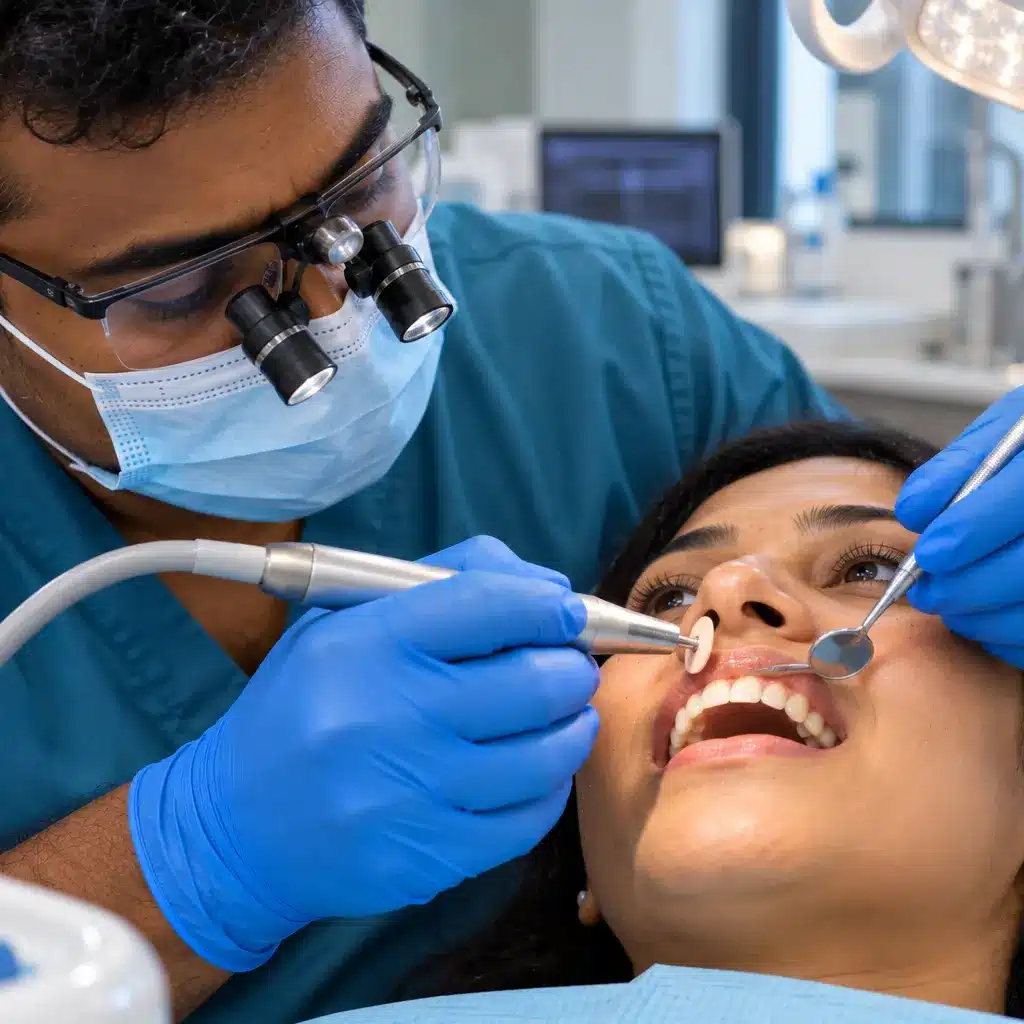
Dental Examination Before Enamel Shaping
First, the dentist examines the teeth and gums and asks about any sensitivity, previous dental treatment or concerns with the way the teeth meet when biting. They check whether the uneven area is caused by a small difference in tooth shape or by another issue, such as decay, a crack or tooth alignment. X-rays are not necessary for every cosmetic contouring case, but may be recommended if the examination suggests that further assessment is needed.
Preparing the Teeth for Reshaping
If enamel shaping is suitable, the dentist identifies the area to be adjusted and discusses the expected result. Because tooth enamel has no ability to regenerate, the plan should be conservative. In many cases, local anaesthesia is not needed, although the decision depends on the tooth, the amount of adjustment and the patient’s needs.
Removing Small Amounts of Enamel
The dentist uses suitable dental instruments to remove or reduce very small amounts of enamel from selected areas. The purpose is to smooth an edge or refine the contour, not to make a large change to the tooth. Removing too much enamel can expose the more sensitive layer beneath it and may increase the risk of sensitivity or other problems, which is why this procedure should only be performed by a dental professional.
Smoothing and Polishing the Teeth
After reshaping, the dentist smooths and polishes the adjusted surface so it feels comfortable and blends with the surrounding tooth. They may ask you to close your teeth together to check your bite and review the appearance from different angles. If the desired result would require removing too much enamel, the dentist should discuss alternatives rather than continue with contouring.

How Long Does Enamel Shaping Take?
Enamel shaping is often a relatively short procedure and may be completed during one appointment when only a few small adjustments are needed. The time depends on the number of teeth involved, the amount of reshaping and whether other dental care is required. Your dentist can give you a clearer estimate after examining your teeth.
Enameloplasty Benefits
For a suitable patient, enameloplasty can make subtle improvements without the more extensive preparation sometimes required for other cosmetic treatments. Potential benefits include:
Improving tooth shape and symmetry. Small differences in tooth length or outline may be softened to create a more balanced appearance.
Smoothing rough or jagged edges. A minor uneven edge may be made smoother and more comfortable to the tongue or lips.
Correcting minor cosmetic imperfections. Slightly pointed, irregular or uneven tooth contours may be refined.
Often avoiding anaesthesia. Because only the outer enamel is adjusted in appropriate cases, local anaesthesia may not be necessary.
Potentially being completed in one visit. Simple contouring may be finished in a single appointment, depending on the treatment plan.
Enamel shaping cannot change the underlying colour of teeth, replace missing tooth structure or correct substantial misalignment. If your concern is a change in tooth colour, the cause should be checked first, as discolouration usually needs a different cosmetic treatment. A dentist can explain whether contouring alone is likely to address your concern.
Is Enameloplasty Safe?
Enameloplasty can be a safe option when a qualified dentist carefully selects the case and removes only a very small amount of enamel. Safety depends on the health and thickness of the enamel, the shape and position of the teeth, and the amount of correction required. The goal is to preserve healthy tooth structure and avoid changes that could affect comfort or the bite.
Enamel does not grow back. If too much is removed, the tooth may become sensitive because the layer beneath the enamel can be exposed. Excessive reshaping may also weaken the tooth or contribute to discomfort when biting. These concerns are reasons to avoid do-it-yourself tooth filing and to have any proposed adjustment assessed by a dentist first.
Aftercare Following Enamel Shaping
After enamel shaping, your teeth may feel slightly sensitive for a short time, although some people experience no sensitivity. Follow your dentist’s advice and continue brushing twice daily with fluoride toothpaste and cleaning between your teeth every day. Use a soft-bristled toothbrush and avoid aggressive brushing to protect your teeth and gums.
If sensitivity persists, becomes severe or gets worse, or you experience pain when biting, contact your dentist for an assessment. Avoid trying to reshape your teeth at home, as removing enamel permanently can damage the teeth.
Enamel Shaping vs Other Cosmetic Dental Treatments
Enamel shaping is one of several ways to improve uneven teeth. The main difference is how much of the tooth is changed and whether material needs to be added or a tooth needs to be moved. A dentist can compare the options based on your oral health, goals and the condition of the teeth.
Enamel Shaping vs Dental Veneers
Enamel shaping makes small changes by removing a limited amount of enamel from selected areas. Dental veneers are thin coverings placed on the front surfaces of teeth to change their appearance, such as their shape or colour. Veneers may be considered when the desired change is beyond what careful contouring can achieve, but they involve their own assessment, preparation and maintenance considerations.
Enamel Shaping vs Dental Bonding
Dental bonding uses tooth-coloured resin to add material to a tooth. It may be useful for repairing certain small chips, filling minor gaps or changing a tooth’s outline where adding material is preferable to removing enamel. Enamel shaping and bonding may sometimes be considered together, but the combination is not suitable for everyone. The dentist will assess the tooth and explain which approach is appropriate.
Conclusion
Enamel shaping is a conservative cosmetic procedure that can refine small irregularities in tooth shape when enough healthy enamel is present. Understanding what enamel shaping is, how the enameloplasty process works and what its limits are can help you make an informed decision. The most important consideration is preserving the tooth, because enamel cannot grow back once removed.
At Vetri Dental Care Centre, a family-owned clinic in Tirunelveli, the dental team provides personalised care based on each patient’s needs. An examination can help you understand whether enamel shaping or another treatment is suitable for your teeth. To discuss your options or arrange a visit, contact Vetri Dental Care Centre.